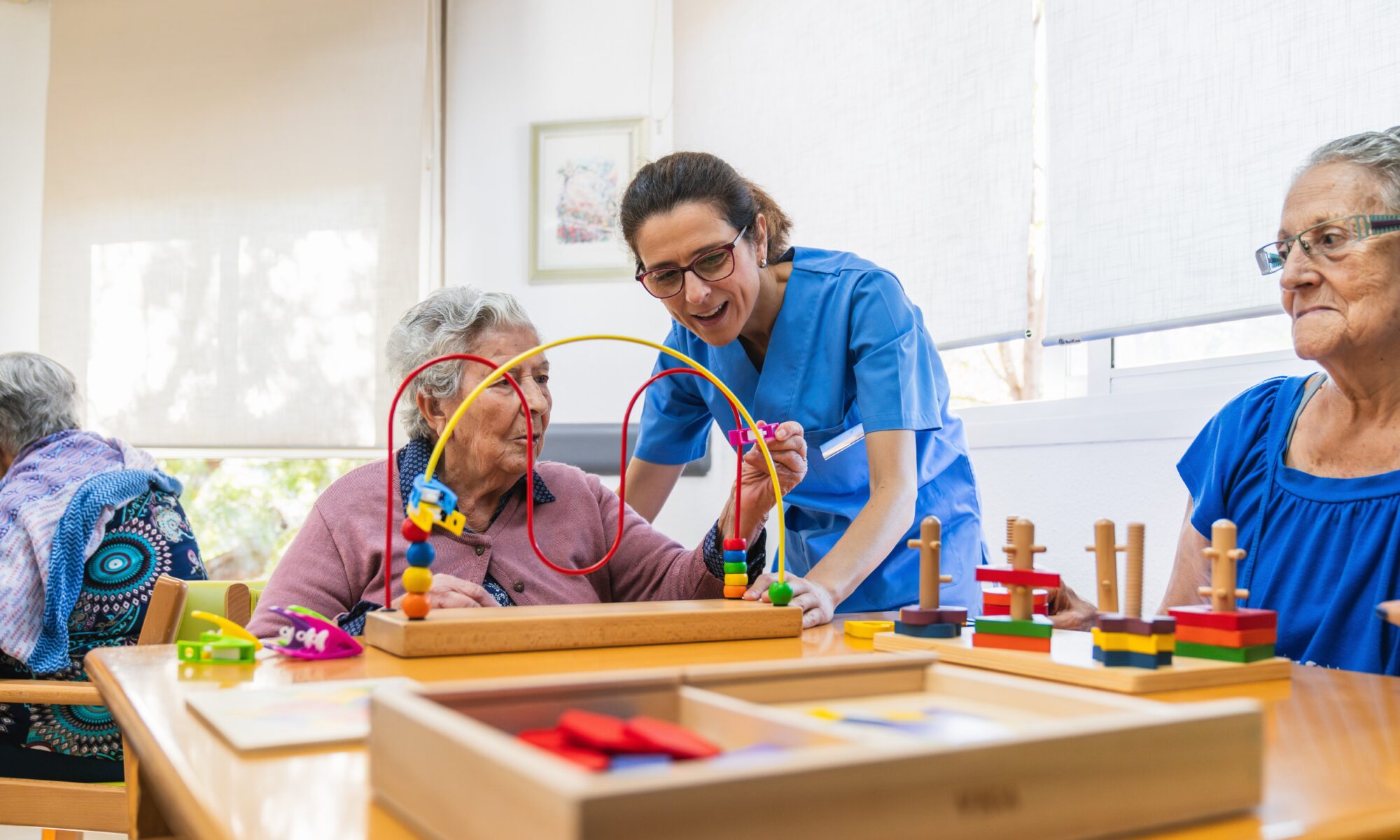
Cognitive stimulation therapy (CST) is a widely recognized evidence-based treatment for individuals with mild to moderate dementia. This therapeutic approach uses engaging group activities to stimulate thinking, concentration, and memory. Understanding the science behind CST reveals why it’s an effective method for boosting cognitive function and quality of life for those living with dementia.
How CST Activates the Brain
The core principle of CST is neuroplasticity—the brain’s ability to reorganize itself by forming new neural connections throughout life. Dementia damages nerve cells and their connections, leading to a decline in cognitive abilities. CST aims to counteract this by creating an enriched and stimulating environment that encourages the brain to build new pathways and strengthen existing ones.
During CST sessions, participants engage in a variety of activities, such as:
- Discussing current events
- Playing word games
- Listening to music
- Recalling memories tied to physical objects
These activities activate different regions of the brain, including the prefrontal cortex, which supports executive functions such as planning and decision-making, and the hippocampus, which is crucial for memory formation. For individuals who have difficulty expressing thoughts after neurological events, supportive strategies like Stroke Communication Board Optimization can enhance engagement and participation in cognitive activities. This widespread brain activation helps maintain cognitive function and may even contribute to a modest slowing of the condition’s progression.
The Role of Social Interaction
CST is typically conducted in small groups, and this social component is fundamental to its success. Social engagement is a powerful form of mental exercise. Interacting with others requires a range of cognitive skills, including attention, memory, language, and executive function.
For individuals with dementia, who often experience social withdrawal and isolation, the group setting provides a supportive and safe space to practice these skills. Positive social interactions can also boost mood and reduce symptoms of depression and anxiety, which are common in people with dementia. This better emotional state can, in turn, have a positive effect on cognitive performance.
If you have a senior loved one who needs help maintaining a high quality of life while aging in place, reach out to Assisting Hands Home Care, a leading provider of Home Care Las Vegas families can trust. Our caregivers help seniors focus on healthy lifestyle habits such as eating nutritious foods, exercising regularly, and maintaining strong social ties, and we offer mentally stimulating activities that can boost cognitive health and delay the progress of dementia.
Enhancing Neurotransmitter Function
Research suggests cognitive stimulation can influence the levels of certain neurotransmitters in the brain. Neurotransmitters are chemical messengers that transmit signals between nerve cells. In many forms of dementia, particularly Alzheimer’s disease, there’s a significant reduction in acetylcholine, a neurotransmitter vital for memory and learning.
Engaging in mentally challenging tasks like those in CST may increase the release of acetylcholine and other important chemicals like dopamine and serotonin. While CST isn’t a substitute for medication that targets these neurotransmitter systems, it serves as a complementary nonpharmacological approach to support brain chemistry and function.
Without the right assistance, Alzheimer’s can be challenging for seniors and their families to handle. If you’re looking for professional Alzheimer’s care in Las Vegas, Assisting Hands Home Care provides high-quality care aging adults and their families can count on. All of our caregivers are trained to help seniors with Alzheimer’s live happier and healthier lives, and we also provide specialized dementia, stroke, and Parkinson’s care.
Promoting a Sense of Self and Confidence
Beyond the direct neurological benefits, CST has a profound psychological impact. The therapy focuses on opinions rather than facts, which means there are no right or wrong answers. This approach can reduce the anxiety and frustration that often comes with memory problems.
By successfully participating in group activities and sharing their thoughts and experiences, individuals can regain a sense of competence and self-worth. This boost in confidence often translates into increased engagement in other daily activities, further contributing to their overall wellbeing and cognitive health. The supportive environment validates their contributions, reinforcing their identities and personal histories.
Aging in place can present a few challenges for older adults living with dementia. However, with professional dementia care that offers Las Vegas families peace of mind, seniors can still live independently at home. Families can rely on Assisting Hands Home Care to provide their elderly loved ones with mental and social stimulation, timely medication reminders, assistance with meal prep, and much more. Our caregivers are available around the clock to help your loved one live a happier and healthier life. If you need professional home care for your loved one, reach out to one of our Care Specialists today.