Blog

By Ray Lopez, 8:00 am on October 28, 2026

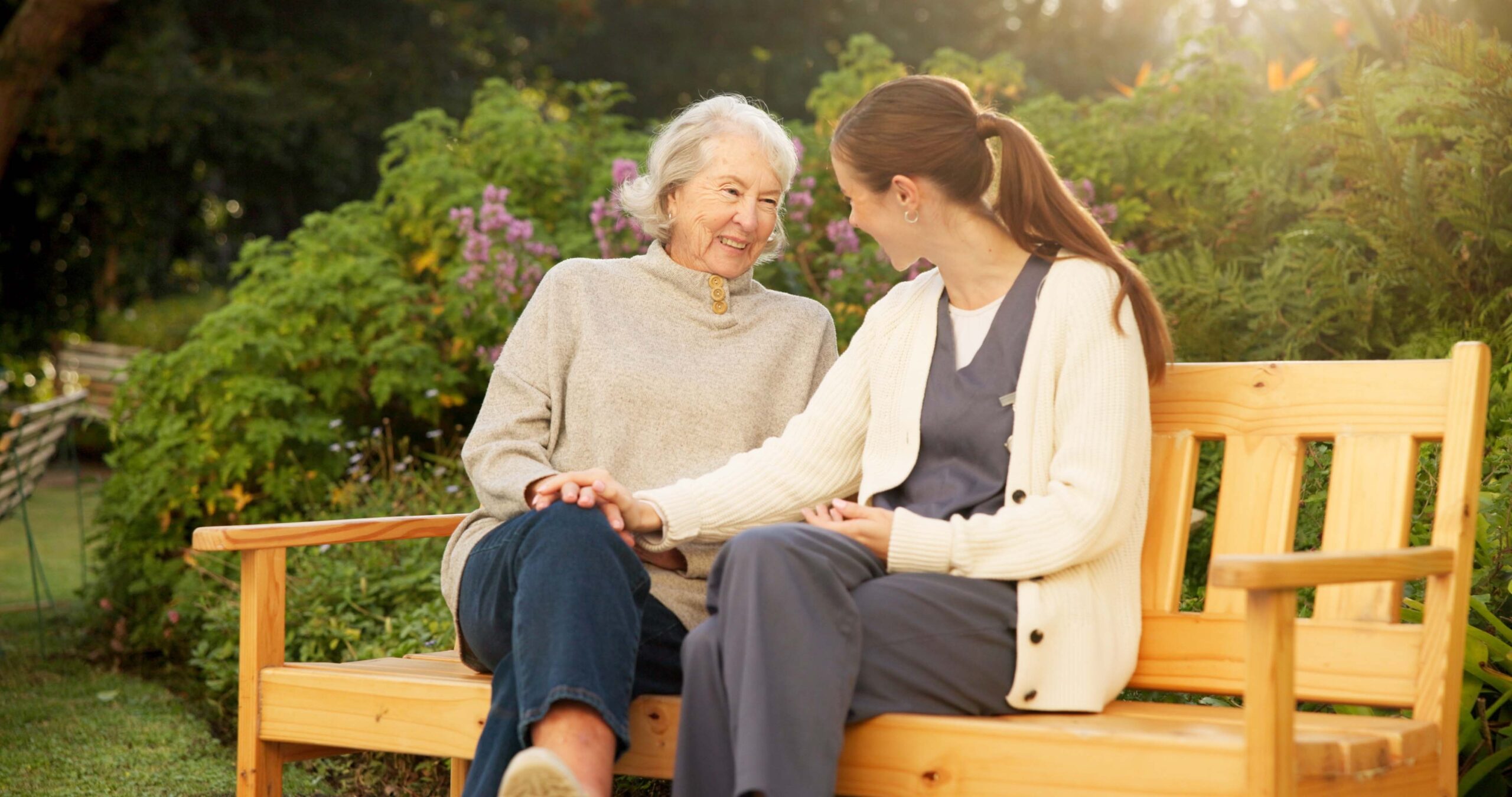
Companionship in home care refers to nonmedical support that helps individuals—particularly seniors and those with disabilities—feel emotionally connected, mentally stimulated, and socially engaged within their own homes. Research consistently links strong social connection to longer, healthier lives. Companionship is one of the most meaningful forms of support a person can receive, addressing emotional and social needs that directly affect overall…
By Ray Lopez, 8:00 am on October 21, 2026

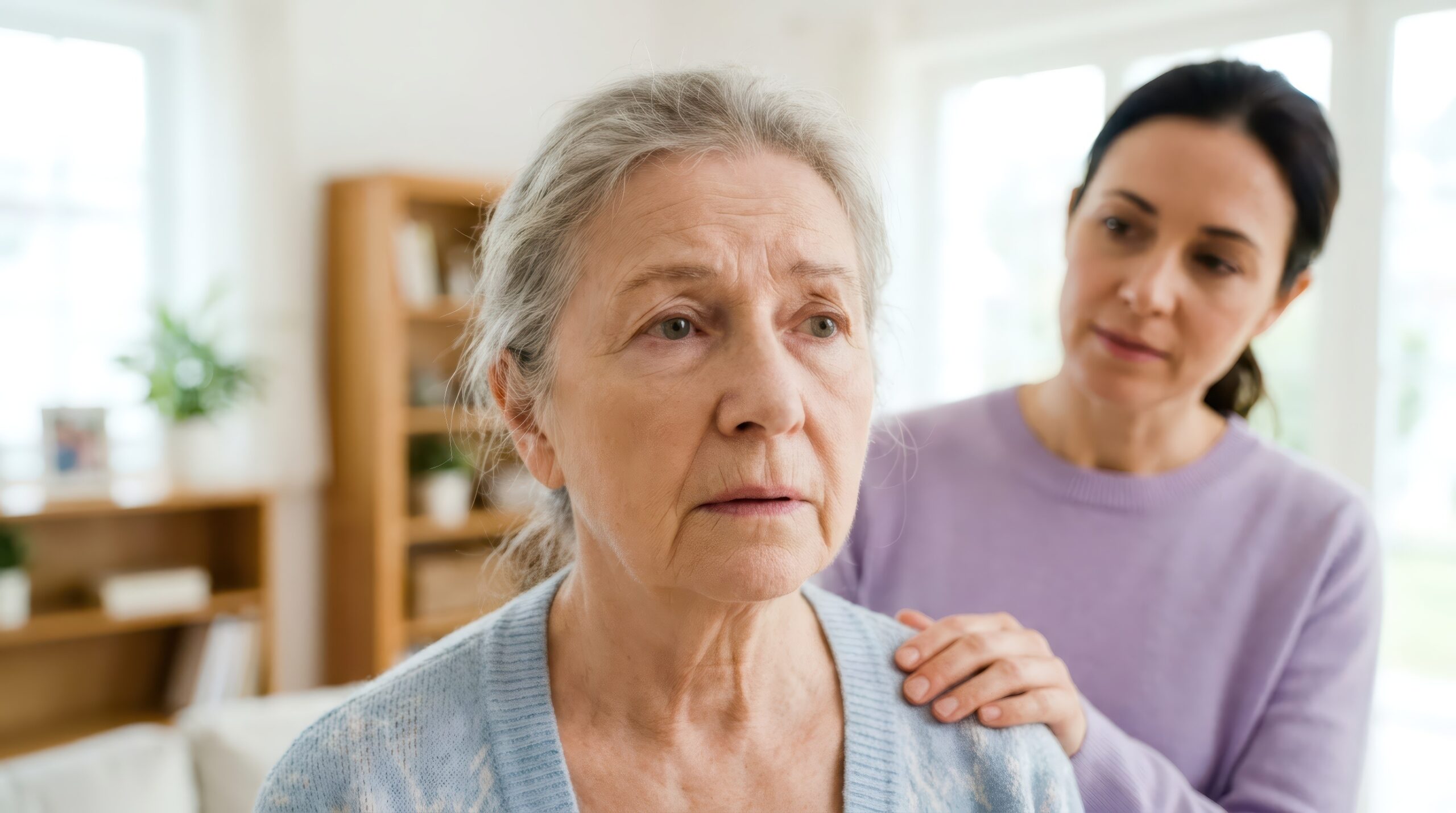
Reducing confusion and distress for loved ones with dementia involves creating a calm environment, maintaining consistent routines, and using clear, gentle communication to help them feel safe and understood. Dementia affects millions of families worldwide, and confusion and distress are among its most challenging symptoms to manage. With the right strategies in place, you can make a meaningful difference in…

By Ray Lopez, 8:00 am on October 14, 2026

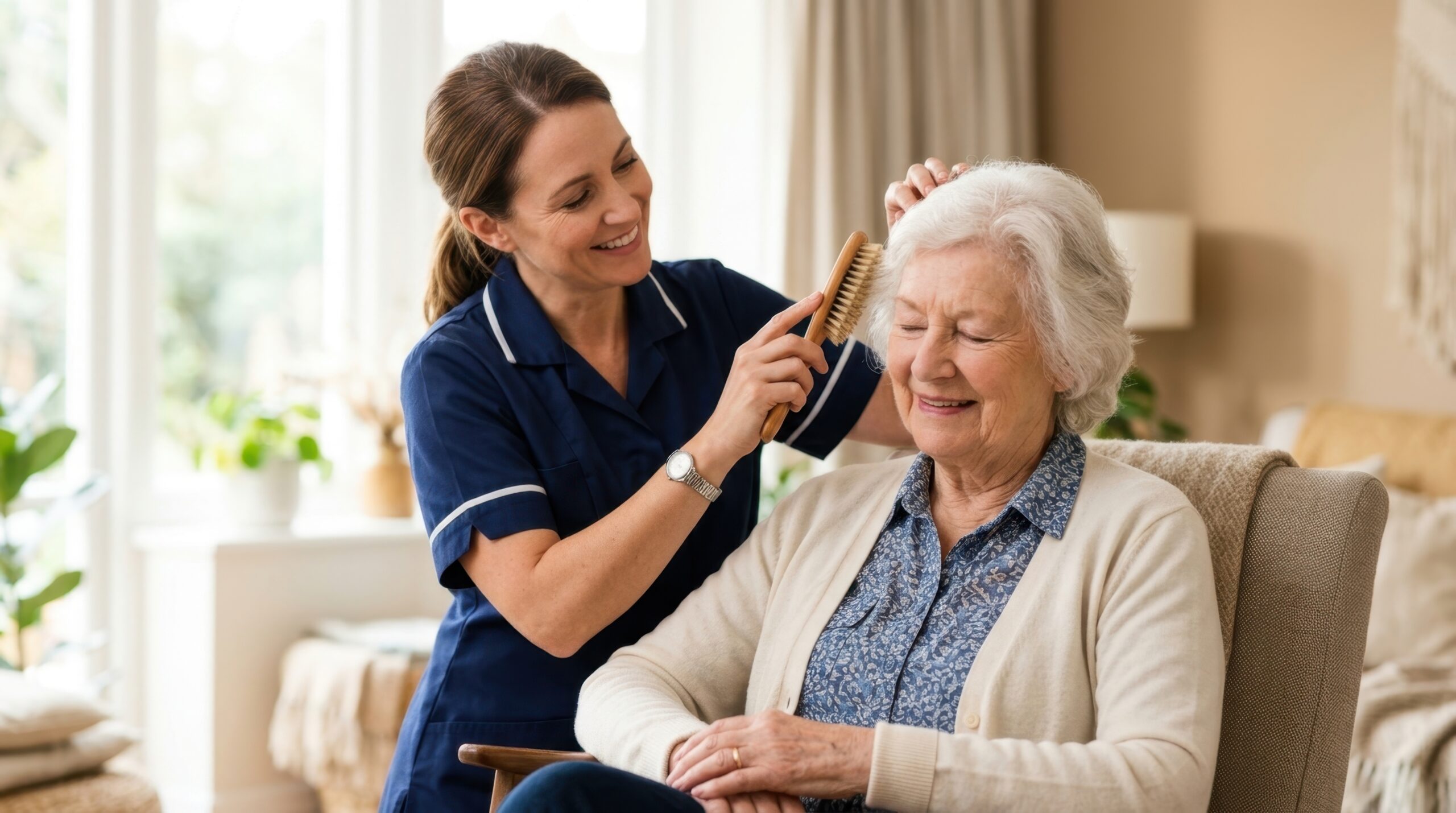
Personal hygiene support in home care involves assisting individuals with daily cleanliness routines such as bathing, grooming, and oral care to promote health, dignity, and overall wellbeing in a familiar home environment. What Does Personal Hygiene Support in Home Care Include? Personal hygiene support covers a wide range of daily care tasks, including: Bathing and showering - Assisting with full…

By Ray Lopez, 8:00 am on October 7, 2026

Seniors are at high risk for dehydration because the body’s ability to retain water and sense thirst naturally declines with age, making consistent hydration a critical part of home care for older adults. Dehydration is one of the most common and preventable health concerns among seniors. For families providing home care, understanding the unique hydration needs of older adults can…

By Ray Lopez, 8:00 am on September 30, 2026

Navigating grief and end-of-life acceptance in in-home care requires open communication, emotional support, and practical preparation, helping both caregivers and families find peace during one of life’s most difficult transitions. Grief and end-of-life acceptance are deeply personal experiences, and when care takes place at home, the emotional weight falls heavily on both the seniors receiving care and those who love…

By Ray Lopez, 8:00 am on September 23, 2026

Transitioning from hospital to in-home care involves coordinating with your senior loved one’s care team, setting up the home environment, arranging caregiver support, and establishing a follow-up routine—all before discharge day arrives. Leaving the hospital marks an important turning point in recovery. With the right preparation, the transition to in-home care can be smooth, safe, and far less stressful than…

By Ray Lopez, 8:00 am on September 16, 2026

Depression during home care is common among both seniors and caregivers, and recognizing early warning signs, such as persistent sadness, withdrawal, and loss of interest, is the first step toward effective treatment through therapy, lifestyle changes, and structured daily routines. Depression affects millions of people receiving or providing care at home, yet it often goes unnoticed until symptoms become severe.…

By Ray Lopez, 8:00 am on September 9, 2026

Effective communication in dementia care at home means using simple language, calm body language, and techniques to reduce confusion and maintain connection. Strategies like short sentences, visual cues, and validation therapy help caregivers navigate daily interactions with greater ease and compassion. Caring for a senior loved one with dementia at home presents unique communication challenges, but the right strategies can…

By Ray Lopez, 8:00 am on August 26, 2026

A person-centered care plan for senior in-home care is a customized document that outlines a senior’s individual needs, preferences, and goals to guide caregivers in delivering consistent, respectful, and effective support at home. Developing a person-centered care plan means placing the senior, not the condition, at the center of every decision. A well-crafted plan ensures caregivers understand not just what…

By Ray Lopez, 8:00 am on August 19, 2026

Essential health emergency preparedness protocols for senior care at home include creating a personalized emergency plan, maintaining updated medical records, building an emergency supply kit, establishing a communication network, and knowing when and how to contact emergency services. Having a clear emergency preparedness plan in place can make a critical difference in the safety and wellbeing of a senior loved…