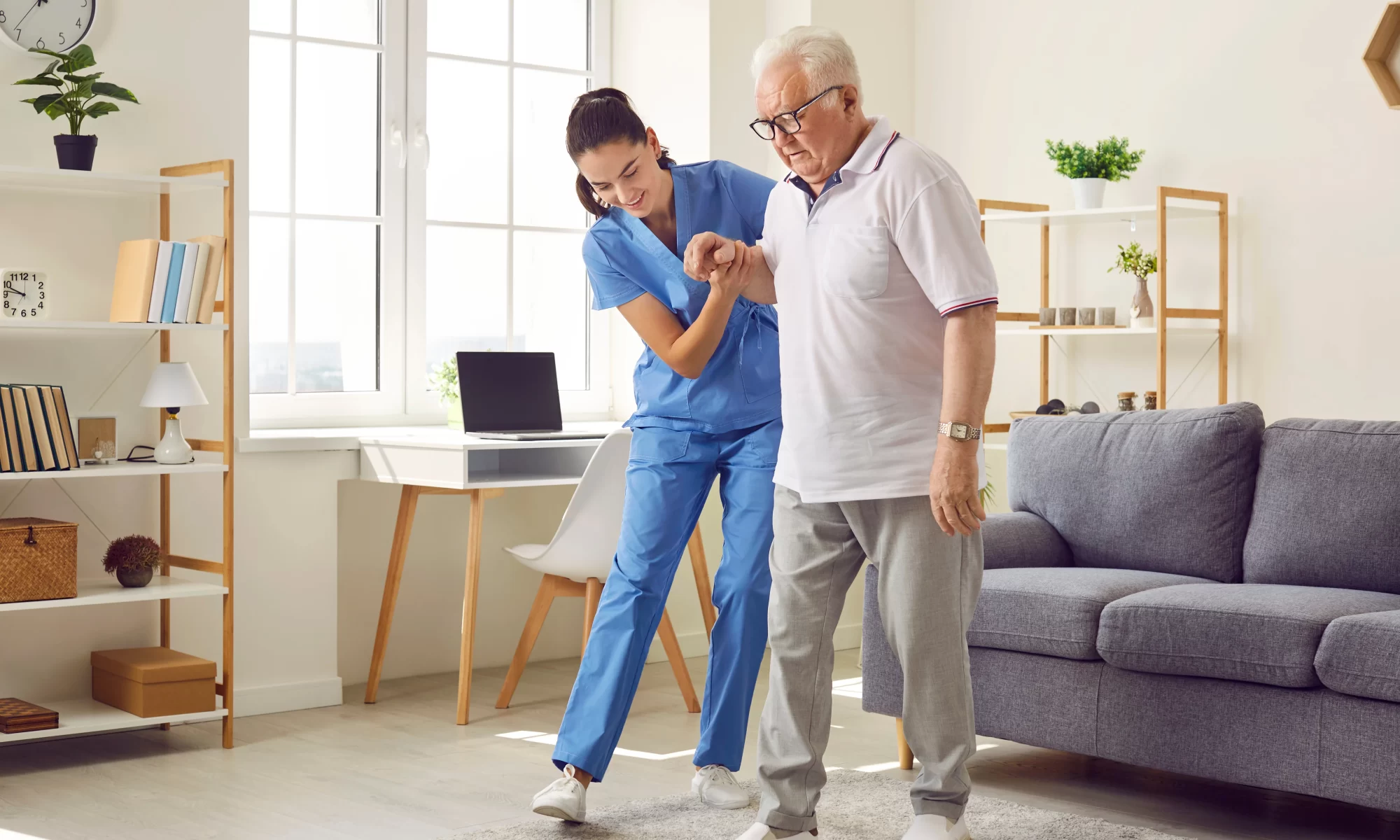
Stroke recovery is rarely a straight path. Progress happens in small, meaningful steps that depend on consistency, patience, and the right kind of daily support. For many individuals, the ability to heal in familiar surroundings plays a powerful role in rebuilding confidence and independence. Families often notice that recovery feels more manageable when care routines adapt to the person, not the other way around. This is where personalized support becomes a steady foundation rather than a temporary solution.
Supporting Recovery in a Familiar Environment
Recovering at home allows stroke survivors to remain surrounded by routines, memories, and comforts that reduce stress and confusion. Professional home care services are designed to adapt to each stage of recovery, helping individuals regain daily function without the pressure of institutional settings. Caregivers can assist with mobility, personal hygiene, medication reminders, and daily tasks while encouraging safe independence. This approach aligns with how neurologists and rehabilitation experts view recovery, consistent, low-stress environments support better physical and emotional outcomes. Home-based support also allows family members to stay involved without becoming overwhelmed, creating a balanced care structure that supports healing over time.
Boosting Physical Rehabilitation
Stroke survivors often require ongoing physical assistance to rebuild their strength, balance, and coordination. At home, therapy routines can be integrated naturally into daily life rather than feeling like scheduled disruptions. Professional caregivers work alongside rehabilitation plans created by healthcare providers, helping their clients practice safe movement during everyday activities. For individuals who require constant supervision due to mobility limitations, 24-hour care ensures safety while reinforcing therapy goals throughout the day and night. Continuous monitoring reduces fall risks, prevents complications, and supports consistent progress, which is often harder to maintain in rotating care environments.
Emotional Stability and Cognitive Support
Emotional health is a critical yet often overlooked part of stroke recovery. Anxiety, frustration, and depression are common after a stroke, especially when cognitive changes occur. In-home support provides one-on-one attention that helps caregivers recognize subtle emotional or behavioral changes early. For seniors experiencing memory loss or confusion, structured routines offer stability. Specialized dementia care strategies are often incorporated for individuals facing post-stroke cognitive decline, reducing agitation and enhancing daily orientation. Familiar surroundings paired with consistent caregivers can significantly boost emotional wellbeing and mental clarity over time.
Flexible Care that Matches Recovery Progress
Stroke recovery isn’t linear. Some days require more assistance, while others allow greater independence. This flexibility is difficult to achieve in fixed care settings. In-home support adjusts to changing needs, whether that means short daily visits or extended assistance. Hourly home care offers families the ability to scale support based on recovery stages without committing to unnecessary services. This adaptability ensures seniors receive appropriate help while maintaining dignity and autonomy, which are essential for long-term motivation and confidence.
Daily Safety and Reduced Hospital Readmissions
Preventing complications is a top priority during stroke recovery. Medication management, nutrition support, and fall prevention all play a role in reducing hospital readmissions. Caregivers are trained to monitor stroke warning signs in older adults, such as sudden weakness, confusion, or changes in speech. They can also assist with daily safety practices, including proper hydration, meal preparation, and safe movement throughout the home. According to stroke recovery studies, consistent daily support significantly lowers emergency readmission rates by addressing issues before they escalate.
Common Safety Focus Areas in Home-Based Stroke Care
- Medication reminders and monitoring
- Fall prevention and mobility assistance
- Nutrition and hydration support
- Observation of neurological changes
Comparing Recovery Support Options after a Stroke
| Recovery Setting | Level of Personalization | Family Involvement | Environment Comfort |
| Hospital Rehab | Moderate | Limited | Low |
| Skilled Facility | Standardized | Restricted | Moderate |
| In-Home Support | High | Active | High |
This comparison highlights why many families choose home-based recovery solutions for long-term progress.
Promoting Independence Without Isolation
One of the most valuable benefits of in-home recovery support is the balance between assistance and independence. Tools like a stroke survivor communication board can enhance this process, helping seniors express their needs and follow routines safely. Care plans are designed to encourage tasks rather than replace abilities, supporting neurological retraining and building confidence. Caregivers act as guides, stepping in when needed while allowing their clients to regain control of daily activities. This balance can prevent isolation, a common issue in stroke recovery, while maintaining social engagement within the home environment.
How Home Care Service Helps in Stroke Recovery and Daily Support
Home care services play a critical role in helping stroke survivors manage everyday challenges while continuing their recovery journey at home. These services focus on assisting with personal care, mobility support, meal preparation, medication reminders, and emotional reassurance. Care is delivered in a familiar setting, which reduces stress and supports better routine building after a stroke. Trained caregivers also observe physical and behavioral changes and communicate concerns to families early. By providing structured daily assistance without disrupting comfort or independence, home care services help stroke survivors regain confidence, increase safety, and maintain a higher quality of life throughout recovery.
Stroke Recovery Support with Assisting Hands Home Care in Las Vegas
Recovering from a stroke often requires consistent support, patience, and a structured daily routine. Assisting Hands Home Care provides compassionate Home Care Las Vegas services designed to support stroke survivors in the comfort of their own homes. Our trained caregivers assist with mobility, personal care, medication reminders, meal preparation, and daily exercises recommended by healthcare professionals. By offering personalized care plans and one-on-one attention, we help stroke survivors regain confidence, improve independence, and experience a smoother recovery process while giving families peace of mind.
Frequently Asked Questions
How soon can home-based support begin after a stroke?
+
In-home assistance can usually begin as soon as a senior is discharged from the hospital. Early support helps stroke survivors maintain continuity of care and reduces recovery setbacks.
Is home-based recovery suitable for severe stroke cases?+
Yes, many severe cases benefit from structured in-home support when combined with medical oversight and rehabilitation plans.
Can caregivers help with therapy exercises at home?+
Caregivers can assist with prescribed exercises and reinforce therapy routines as directed by healthcare professionals.
Does insurance cover in-home recovery services?+
Coverage varies by provider and plan. Families should consult their insurance provider for specific eligibility details.
How long do stroke survivors typically need in-home support?+
The duration depends on recovery progress, individual health factors, and rehabilitation goals. Some require short-term help, while others benefit from long-term assistance.