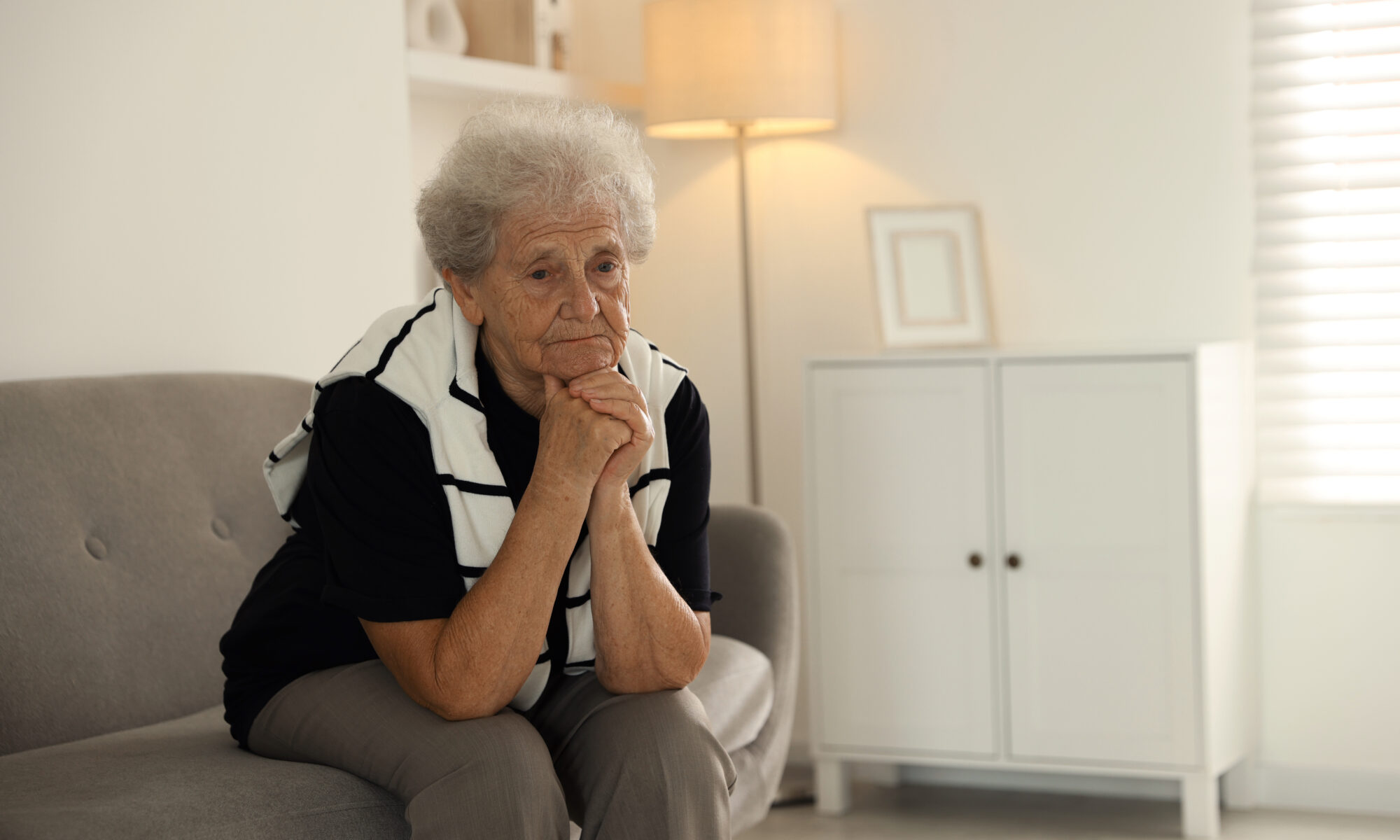
Living alone becomes risky for seniors faster than most families expect because aging-related changes—physical, cognitive, and social—can accelerate quietly with little outward warning. Many older adults maintain the appearance of independence long after their safety has become genuinely compromised. Understanding the specific risks and when they tend to emerge can help families act before a crisis forces their hand.
What Physical Changes Make Living Alone Dangerous?
The body’s aging process creates conditions where everyday tasks become hazardous.
- Falls are the leading cause of injury among seniors, and without someone nearby, a fall can go unaddressed for hours.
- Chronic conditions like heart disease, diabetes, and arthritis can worsen rapidly if not consistently managed.
- Reduced mobility limits a senior’s ability to get help, prepare meals, or evacuate in an emergency.
- Medication errors—taking too much, too little, or the wrong combination—are common and can be life-threatening.
How Does Cognitive Decline Increase Risks at Home?
Cognitive changes often go unnoticed until they cause a serious problem.
- Early-stage dementia can affect a person’s ability to recognize emergencies or respond appropriately.
- Seniors may forget to lock doors, turn off appliances, or take medications.
- Poor judgment can make them vulnerable to scams, financial exploitation, or wandering.
- Families often only recognize cognitive decline in hindsight, after an incident has already occurred.
Aging in place can present a few challenges for seniors living with dementia. However, with professional dementia home care that offers Las Vegas families peace of mind, they can still live independently at home. Families can rely on Assisting Hands Home Care to provide their elderly loved ones with mental and social stimulation, timely medication reminders, assistance with meal prep, and much more. Our caregivers are available around the clock to help your loved one live a happier and healthier life.
Why Do Social Isolation and Loneliness Matter?
Social isolation does more than affect mood—it has measurable health consequences.
- Isolated seniors are at higher risk for depression, anxiety, and accelerated cognitive decline.
- Without regular visitors or check-ins, health changes can go undetected for extended periods.
- Loneliness has been linked to increased risk of heart disease and a weakened immune system.
- Seniors may mask or minimize their challenges to avoid burdening family members.
What Warning Signs Should Families Watch For?
Some indicators that living alone may no longer be safe include:
- Unexplained bruises, weight loss, or poor hygiene
- Unpaid bills, missed appointments, or a cluttered, unkept home
- Increased confusion, memory lapses, or disorientation
- Withdrawal from hobbies, friends, or regular activities
- Recent falls, even if described as minor
What Options Are Available When Living Alone Becomes Unsafe?
Families don’t have to choose between full independence and a nursing home. There are several intermediate options.
- In-home care – A professional caregiver visits regularly or lives in the home to assist with daily tasks.
- Medical alert systems – Wearable devices allow seniors to call for help instantly if they fall or feel unwell.
- Senior living communities – Assisted living facilities offer independence with built-in support and social connection.
- Family caregiving arrangements – Adjusting schedules or relocating a senior closer to family can provide daily oversight without full-time professional care.
Many seniors prefer aging in place over moving to assisted living facilities. If your senior loved one needs assistance to remain safe and comfortable while living at home, reach out to Assisting Hands Home Care, a leading Las Vegas elder care agency. Our dedicated in-home caregivers can assist with meal prep, bathing and grooming, exercise, medication reminders, and many other important tasks.
Living independently is important for seniors who want to maintain a high quality of life. For some, this simply means receiving help with tasks that have become more challenging to manage over time. Even when families have the best intentions, they may not have the time to provide the care their elderly loved ones need and deserve. If your loved one needs help to age in place as independently as possible, reach out to Assisting Hands Home Care, a trusted provider of respite, 24-hour, and overnight home care Las Vegas seniors can depend on. Reach out to one of our Care Specialists today to schedule a free in-home consultation.
Frequently Asked Questions
At what age do seniors typically become at risk living alone?
+
There’s no single age—risk depends on health, mobility, and cognitive status. However, risk tends to increase significantly after 75, particularly following a major health event like a fall or stroke.
How can I assess whether my parent is safe living alone?
+
Start by observing your loved one’s daily functioning during visits—look at hygiene, nutrition, medication organization, and home safety. A geriatric care manager can also conduct a formal assessment.
Can technology help seniors stay safer at home?
+
Yes. Medical alert devices, smart home sensors, medication reminders, and video check-in tools can all extend the period a senior can safely live alone.
What should I do if a senior refuses help?
+
Approach the conversation with empathy rather than urgency. Focus on specific safety concerns rather than general worry, and involve a doctor or trusted third party if needed to reinforce the message.
Is assisted living only for seniors with serious health problems?
+
No. Many assisted living residents are relatively healthy but benefit from the structured support, social environment, and on-site care that these communities provide.