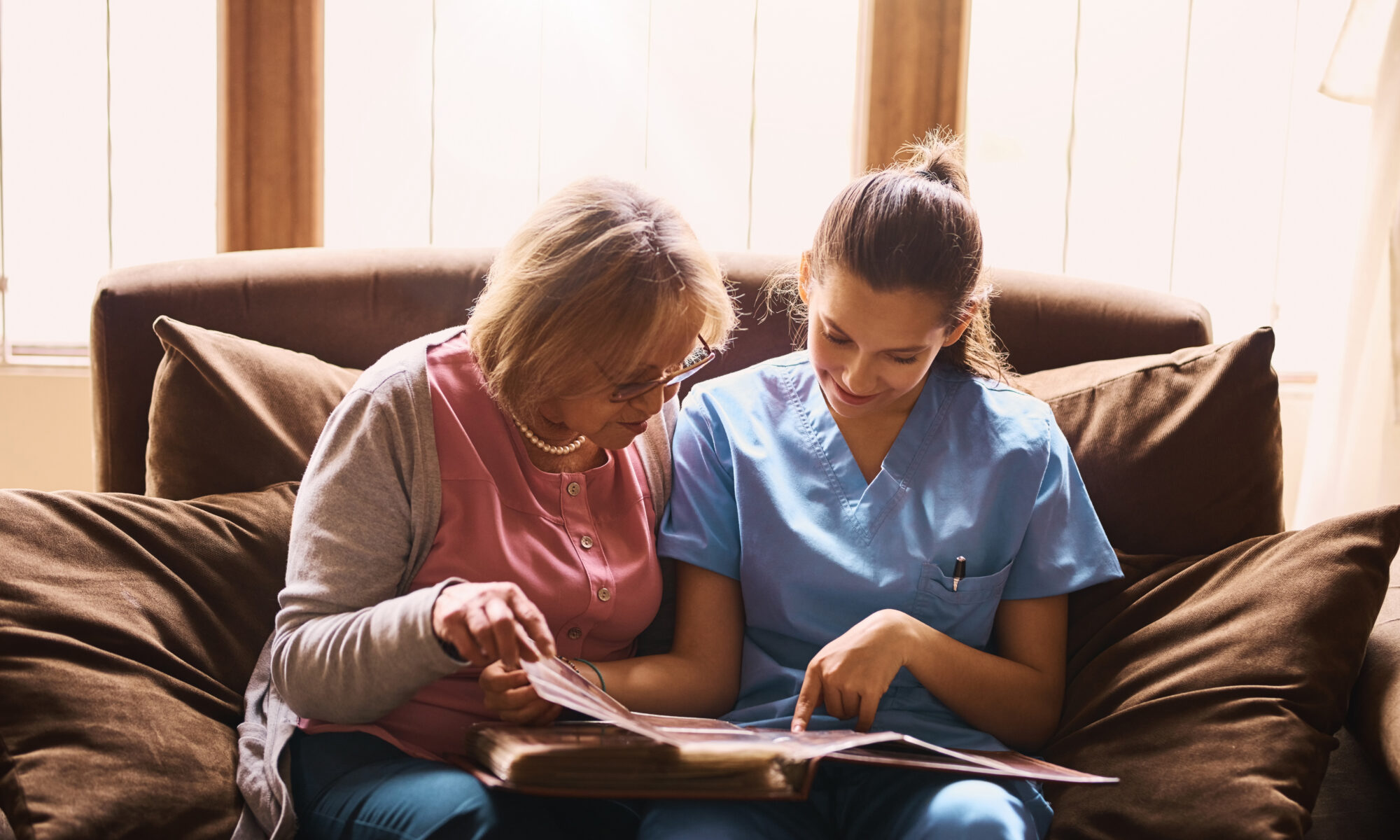
Dementia care focuses specifically on managing cognitive decline and behavioral changes, while standard elderly care addresses general aging needs like mobility, nutrition, and routine medical support. Both types of care share some similarities, but dementia care requires specialized training, tailored communication strategies, and environments designed to reduce confusion and anxiety. Understanding these differences can help families choose the right type of support for their senior loved ones.
What Makes Dementia Care Unique?
Dementia care is built around the specific challenges that come with cognitive impairment. Caregivers are trained to manage memory loss, confusion, wandering, and mood swings. They use specialized techniques to maintain dignity and emotional wellbeing while keeping clients safe. Standard elderly care, on the other hand, typically supports seniors who are physically frail but cognitively intact.
Key distinctions include:
- Memory support – Activities and routines are designed to stimulate memory and boost cognitive health.
- Safety measures – Secure environments prevent wandering and reduce the risk of accidents.
- Behavioral management – Staff are trained to respond calmly to aggression, agitation, or anxiety.
- Personalized engagement – Care plans are adapted as cognitive abilities change over time.
Caring for seniors with dementia can be challenging for family caregivers. Luckily, there is high-quality dementia home care available for Las Vegas seniors and their families. Highly trained professional dementia caregivers help seniors with dementia stay safe and comfortable at home by preventing wandering, providing cognitive stimulation, and assisting with household chores.
How Do Communication Strategies Differ?
Communication with someone who has dementia requires patience, clarity, and empathy. Caregivers use simple language, maintain eye contact, and avoid overwhelming the person with too much information at once. They also recognize verbal communication may become increasingly difficult, so they rely on nonverbal cues, body language, and tone of voice.
In standard elderly care, communication is typically straightforward. Seniors can express their needs, preferences, and concerns without significant barriers. Caregivers focus on building rapport and respecting autonomy rather than adapting to cognitive limitations.
How Do Activity Programs Differ?
Activity programs in dementia care are tailored to each individual’s cognitive abilities. They often include reminiscence therapy, music therapy, and sensory activities that tap into long-term memories and provide comfort. These programs are structured yet flexible, allowing clients to participate at their own pace without pressure.
Standard elderly care activities focus on maintaining physical health, social connections, and mental stimulation. Seniors might enjoy group exercise classes, book clubs, or outings to local events. The emphasis is on staying active and engaged rather than managing cognitive decline.
What Level of Training Do Caregivers Need?
Caregivers providing dementia care receive specialized training in Alzheimer’s disease, dementia progression, and behavioral management techniques. They learn how to de-escalate difficult situations, maintain routines, and provide compassionate care even when clients are unable to recognize them or express gratitude.
Standard elderly care requires general caregiving skills, including assistance with daily living activities, medication organization, and monitoring health conditions. While empathy and patience are essential, the training is less specialized and focuses on broader geriatric care principles.
If your loved one is living with dementia due to Alzheimer’s disease, compassionate help is just a phone call away. For reliable Las Vegas Alzheimer’s care, families can turn to Assisting Hands Home Care. We are a leading provider of professional memory care designed to help seniors maintain a higher quality of life. In addition to Alzheimer’s care, we also provide comprehensive dementia, Parkinson’s, and stroke care. From revolutionary care programs to compassionate and dedicated caregivers, we can meet all of your Alzheimer’s care needs.
If your loved one has been diagnosed with dementia, now is the best time to plan for long-term care at home. The type of elderly home care Las Vegas seniors need can vary. Some need assistance a few hours a day, while others require more extensive around-the-clock assistance. At Assisting Hands Home Care, we tailor our care plans based on each senior’s individual care needs, and the plans can be adjusted at any time. We are a trusted provider of respite and 24-hour care, and we also offer specialized Alzheimer’s, dementia, Parkinson’s, and stroke care for seniors. Call Assisting Hands Home Care today to learn about our high-quality in-home care services.
Frequently Asked Questions
Can someone with dementia live at home?
+
It depends on the severity of the condition. Mild dementia may be manageable at home, but moderate to severe dementia often requires specialized care to ensure safety and quality of life.
How do I know when my loved one needs dementia care instead of standard care?
+
If your loved one experiences significant memory loss, confusion, wandering, or behavioral changes that standard care cannot adequately address, it may be time to consider specialized dementia care.
Can dementia care slow the progression of the disease?
+
While dementia care cannot reverse cognitive decline, it can enhance quality of life, reduce anxiety, and help seniors maintain cognitive function for as long as possible through structured routines and therapeutic activities