Transitioning from hospital to in-home care involves coordinating with your senior loved one’s care team, setting up the home environment, arranging caregiver support, and establishing a follow-up routine—all before discharge day arrives.
Leaving the hospital marks an important turning point in recovery. With the right preparation, the transition to in-home care can be smooth, safe, and far less stressful than it might seem.
What Should You Do before Your Loved One Leaves the Hospital?
Planning ahead is the single most important step you can take before discharge.
- Request a formal discharge plan from the hospital care coordinator.
- Confirm the diagnosis, any restrictions, and care instructions in writing.
- Arrange transportation home in advance.
- Identify a primary caregiver—a family member, friend, or professional—who will be available upon your loved one’s return.
Professional caregivers can be a great boon for families who are unable to care for their loved ones without assistance. The type of elder care Las Vegas seniors need can vary. Some need assistance a few hours a day, while others require more extensive around-the-clock assistance. At Assisting Hands Home Care, we tailor our care plans based on each senior’s individual care needs, and the plans can be adjusted at any time. We are a trusted provider of respite and 24-hour care, and we also offer specialized Alzheimer’s, dementia, Parkinson’s, and stroke care for seniors.
How Do You Prepare the Home for In-Home Care?
A few simple modifications can make a home significantly safer and more comfortable for recovery.
- Remove loose rugs and clutter from walkways to reduce fall risks.
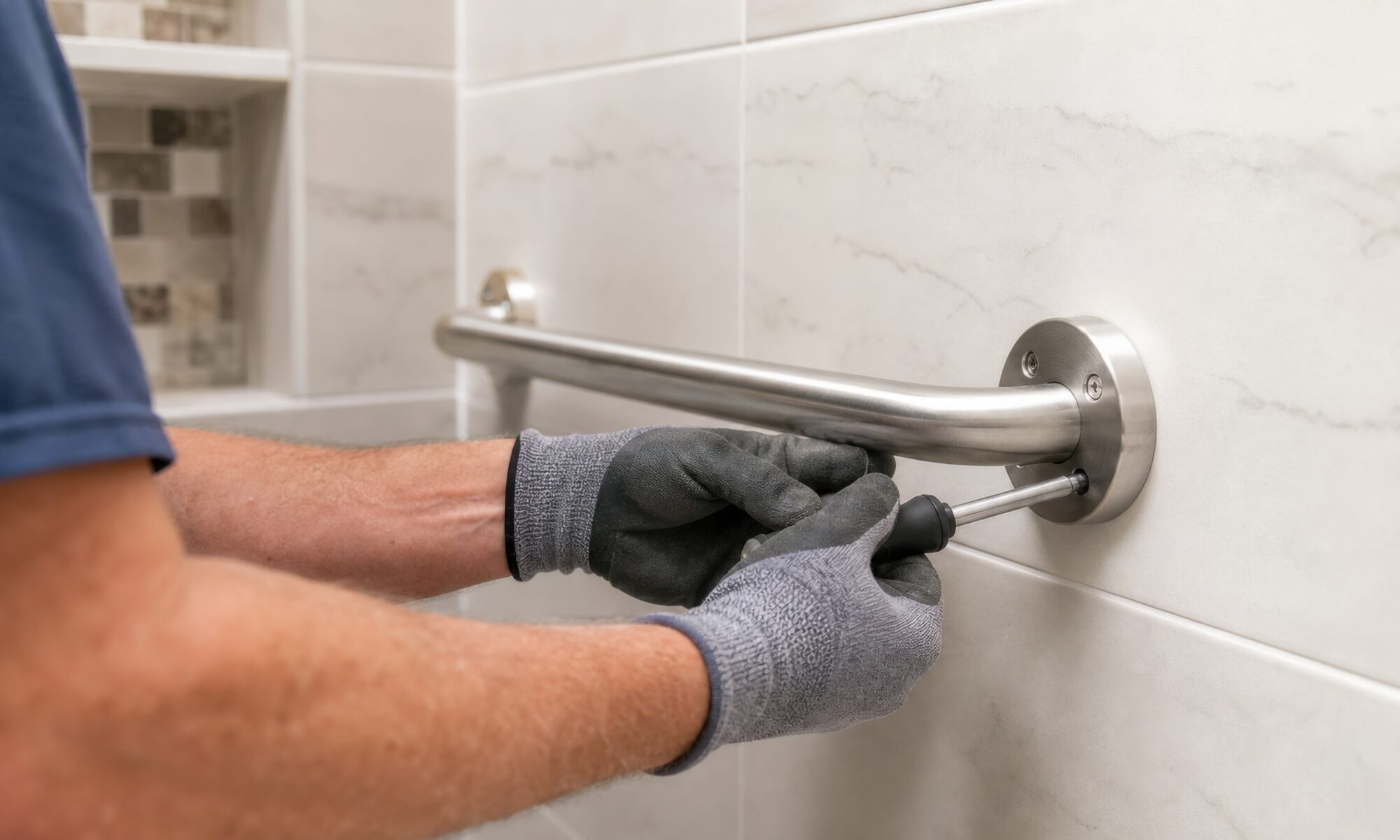
- Install grab bars in bathrooms and handrails on stairs if needed.
- Set up a recovery area on the ground floor if stairs are a concern.
- Stock essential supplies—medications, wound care materials, and personal hygiene products—before your loved one arrives home.
How Do You Choose the Right In-Home Caregiver?
Selecting the right caregiver depends on the level of support required.
- Family caregivers are well suited for companionship and basic daily assistance.
- Home caregivers provide hands-on personal care, such as bathing and mobility support.
- Skilled home care professionals (such as nurses or therapists) are appropriate for more specialized recovery needs.
- Use licensed home care agencies to vet and hire professional caregivers, and check references thoroughly.
For some families, caring for a senior loved one can be overwhelming at times. Luckily, Las Vegas families can rely on exceptional respite and overnight home care provided by the experienced professionals from Assisting Hands Home Care. We are a trusted name in respite and hourly care, and our caregivers are available around the clock to assist seniors with bathing, transportation, medication reminders, exercise, and much more, allowing families the time they need to focus on other important responsibilities or just take a break.
How Do You Stay on Track with Recovery at Home?
Consistency is key to a successful recovery outside the hospital setting.
- Follow all discharge instructions carefully, including activity restrictions and dietary guidelines.
- Create a daily routine that includes scheduled rest, meals, and any prescribed exercises.
- Keep a written log of symptoms, medications, and any changes in condition.
- Attend all scheduled follow-up appointments to monitor your loved one’s progress.
How Do You Organize Medications Safely at Home?
Medication errors are one of the most common complications during the transition from hospital to home.
- Request a complete, up-to-date medication list from the hospital team before discharge.
- Use a pill organizer or medication organization app.
- Clearly label all medications with dosage and timing instructions.
- Store medications safely and out of reach of children or pets.
Whether you need respite from your caregiving duties or your aging loved one needs the best available Las Vegas 24-hour home care, Assisting Hands Home Care can meet your family’s care needs. Our dedicated caregivers are available around the clock to provide transportation to doctor’s appointments, ensure seniors take their prescribed medications, and help with a variety of tasks in and outside the home. To hire a professionally trained caregiver for your parent, give us a call today.
Frequently Asked Questions
How long does it typically take to arrange in-home care after a hospital stay?
+
The timeline varies, but most home care services can be arranged within 24 to 72 hours of a discharge request. Starting the process before discharge day is strongly recommended.
What’s the difference between home health care and nonmedical home care?
+
Home health care involves skilled services like wound care or physical therapy, while nonmedical home care covers daily assistance such as meal preparation, bathing, and companionship.
What should I do if my loved one’s condition worsens at home?
+
Contact the primary care provider or care coordinator immediately if you notice a significant change in condition. Don’t wait until the next scheduled appointment.
Can in-home care be adjusted as recovery progresses?
+
Yes. In-home care plans are flexible and can be scaled up or down based on your loved one’s evolving needs throughout the recovery process.