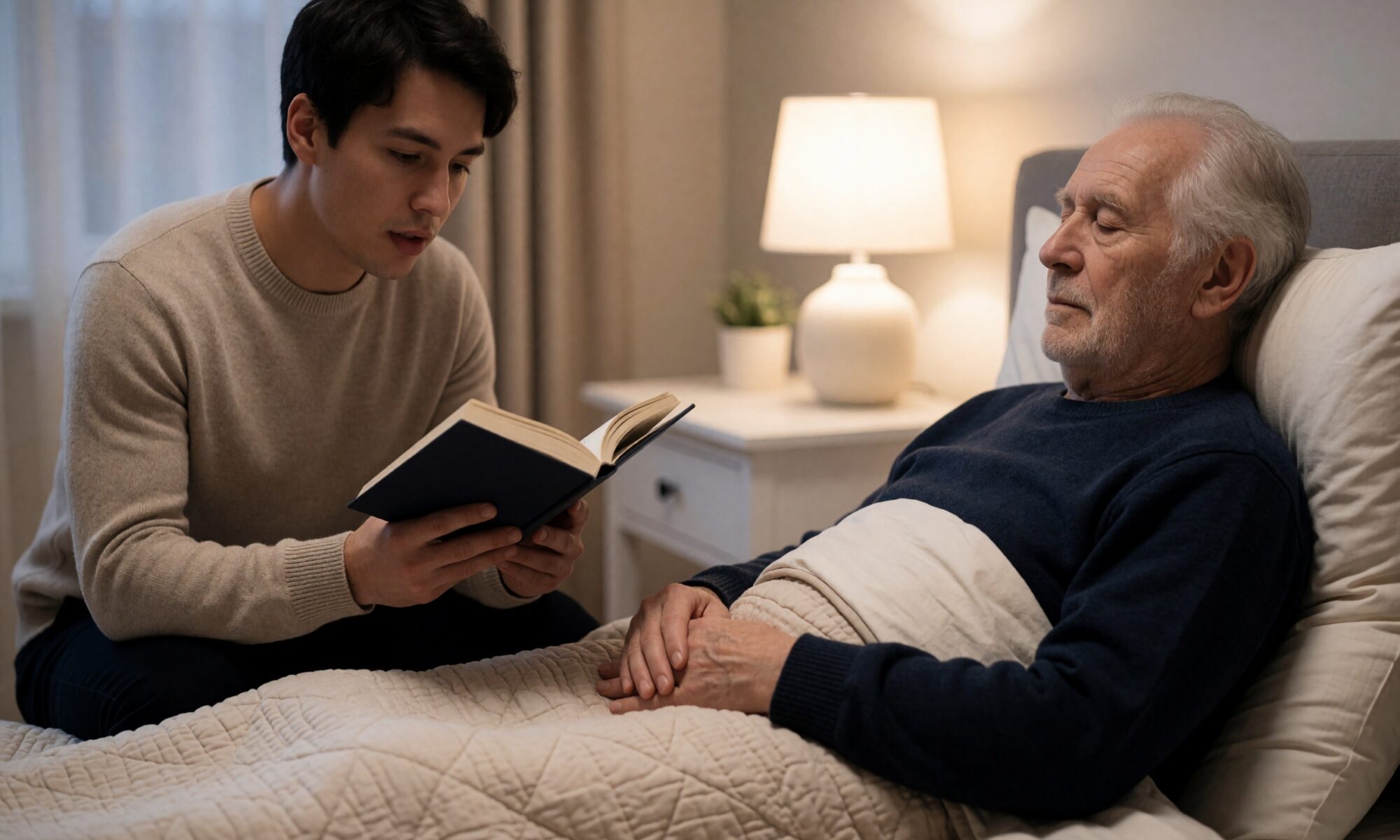
Navigating grief and end-of-life acceptance in in-home care requires open communication, emotional support, and practical preparation, helping both caregivers and families find peace during one of life’s most difficult transitions.
Grief and end-of-life acceptance are deeply personal experiences, and when care takes place at home, the emotional weight falls heavily on both the seniors receiving care and those who love them. Understanding how to navigate these moments with compassion and intention can make a meaningful difference for everyone involved.
How Does Grief Show Up in In-Home Care Settings?
Grief in in-home care often begins long before a loved one passes—a phenomenon known as anticipatory grief. It can appear as:
- Sadness, anxiety, or emotional withdrawal in the senior or family members
- Caregiver burnout caused by the emotional toll of daily care
- Feelings of helplessness or guilt, even when care is being provided with great love
- Difficulty balancing grief with the practical demands of caregiving
Recognizing these signs early allows families to seek support before emotions become overwhelming.
How Can Families Support End-of-Life Acceptance at Home?
Acceptance doesn’t mean giving up—it means finding peace with what cannot be changed. Families can support this process by:
- Having honest conversations about wishes, fears, and what a meaningful end of life looks like for their loved one
- Creating a comforting environment with familiar belongings, music, or routines that bring calm
- Honoring the senior’s autonomy by involving him or her in decisions about his or her daily care and comfort
- Allowing space for emotions without rushing the grieving process for anyone involved
What Role Do In-Home Caregivers Play in Grief Support?
Professional in-home caregivers are uniquely positioned to offer consistent compassionate presence during this time. Their role includes:
- Providing physical comfort and attentive daily care that reduces the senior’s distress
- Offering emotional steadiness that gives family members room to grieve
- Communicating changes in the senior’s condition clearly and compassionately
- Connecting families with hospice teams, grief counselors, or community resources when needed
Caregivers who are trained in end-of-life support can significantly ease the transition for the entire family.
The type of at-home care Las Vegas seniors need can vary. Some need assistance a few hours a day, while others require more extensive around-the-clock assistance. At Assisting Hands Home Care, we tailor our care plans based on each senior’s individual care needs, and the plans can be adjusted at any time. We are a trusted provider of respite and 24-hour care, and we also offer specialized Alzheimer’s, dementia, Parkinson’s, and stroke care for seniors.
How Can Caregivers Protect Their Own Emotional Wellbeing?
Caregiver grief is real and often goes unacknowledged. To protect their emotional health, caregivers should:
- Set boundaries between their professional and personal lives where possible
- Seek peer support through caregiver groups or workplace debriefs
- Practice self-care routines that restore energy, whether through rest, movement, or creative outlets
- Accept that grief isn’t a weakness—processing emotion is a necessary part of sustainable caregiving
Family caregivers need to care for their own wellbeing. If you’re caring for an aging loved one and are feeling overwhelmed, consider hiring a professional caregiver to provide hourly, live-in, or overnight care Las Vegas families can trust. To prevent burnout, you can turn to Assisting Hands Home Care. One of our professional caregivers can assist your loved one at home while you take a nap, go to work, or run errands.
What Practical Steps Help Families Prepare for End of Life at Home?
Preparation reduces panic and creates space for presence. Key steps include:
- Establishing a clear care plan that outlines your loved one’s comfort goals
- Discussing and documenting your loved one’s end-of-life wishes in advance
- Coordinating with hospice or palliative care teams who can guide your family through each stage
- Preparing other family members—including children—with age-appropriate honest conversations about what’s happening
Preparing for a loved one’s passing is never easy, but you don’t have to face it alone. At Assisting Hands Home Care, we offer a wide range of services that can offset the challenges families face during this difficult time. Every southeastern Nevada senior has different needs when aging in place. Some simply need occasional assistance with household chores, while others may be managing serious illnesses and require more extensive Las Vegas 24-hour home care. Seniors can count on Assisting Hands Home Care to provide the in-home care they need and deserve. We will work with you to create a customized home care plan that’s suited for your loved one’s unique needs. Call the Assisting Hands Home Care team today.
Frequently Asked Questions
What is anticipatory grief in the context of in-home care?
+
Anticipatory grief is the mourning that begins before a loved one passes, often triggered by a terminal diagnosis or visible deterioration. It’s a normal response and can affect both seniors and their caregivers or family members.
How do I talk to a dying loved one about his or her end-of-life wishes?
+
Choose a calm, private moment and approach the conversation with openness rather than a set agenda. Listening—without rushing to reassure or redirect—is often the most powerful thing you can do.
When should a family bring in professional grief support?
+
If grief is interfering with daily functioning, relationships, or the ability to provide care, it’s a good time to involve a grief counselor or social worker. Early support is always better than waiting for a crisis.
Can children be involved in in-home end-of-life care?
+
Yes, with thoughtful guidance. Involving children in age-appropriate ways—such as spending time with a grandparent or participating in simple caregiving tasks—can help them process the experience in a healthy way.
How long does grief last after a loved one passes at home?
+
Grief has no fixed timeline and varies widely from person to person. While acute grief often shifts within the first year, many people experience waves of loss for much longer—and that’s completely normal.