Blog

By Ray Lopez, 8:00 am on April 15, 2026

Caregivers can effectively manage medication schedules by creating organized systems, using reminders, maintaining clear communication with healthcare providers, and regularly reviewing medications with their senior loved ones. Managing multiple medications can be overwhelming, but with the right strategies and tools, you can ensure your loved one takes his or her medications safely and on time. This guide will walk you…

By Ray Lopez, 8:00 am on April 8, 2026

Finding in-home care for seniors with chronic conditions involves researching licensed care agencies, verifying caregiver qualifications, and assessing your senior loved one’s specific care needs. This process requires careful planning to ensure your loved one receives compassionate, skilled support that enhances his or her quality of life. Here’s what you need to know to make an informed decision. What Types…

By Ray Lopez, 8:00 am on March 25, 2026

Addressing nutritional needs in senior in-home care involves creating personalized meal plans, prioritizing nutrient-dense foods, maintaining hydration, ensuring food safety, and fostering positive mealtime experiences. Proper nutrition is a cornerstone of health for older adults, directly impacting their energy levels, immune function, and overall quality of life. In-home care provides a unique opportunity to tailor meals specifically to your senior…

By Ray Lopez, 8:00 am on March 18, 2026

Art therapy in dementia care typically involves simple creative activities such as painting, collage making, clay modeling, and group art sessions. This form of therapy offers a unique window into the minds of those living with dementia, bypassing language barriers to foster connection and expression. By engaging the creative senses, caregivers can unlock dormant memories and significantly enhance quality of…

By Ray Lopez, 8:00 am on March 11, 2026

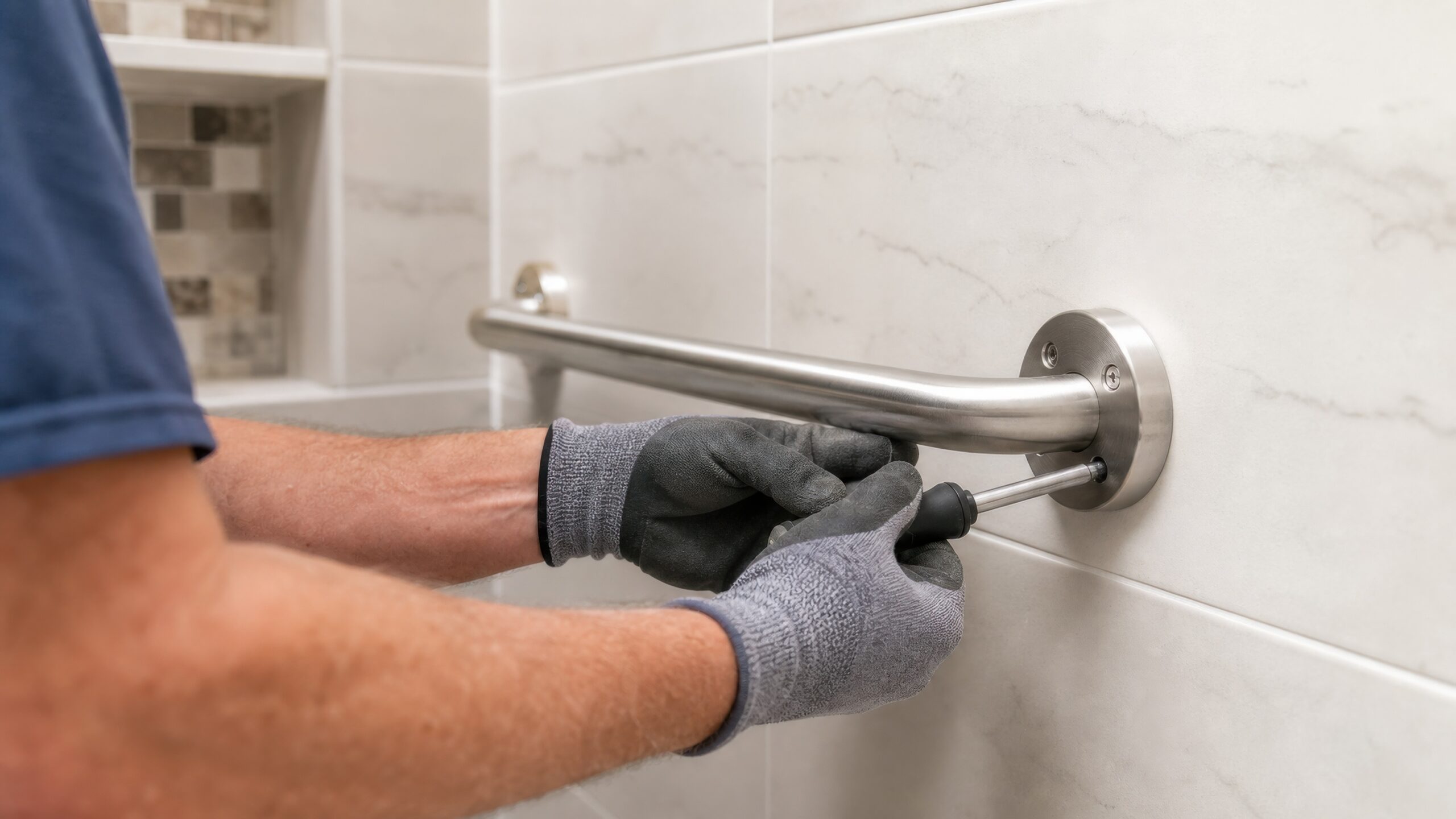
The most effective way to prevent falls in seniors receiving home care is to combine home safety modifications with strength support and medical oversight. Removing tripping hazards, improving lighting, reviewing medications, maintaining vision health, and encouraging balance exercises significantly reduce the likelihood of serious injury. Falls are a leading cause of injury among older adults, but many of these accidents…

By Ray Lopez, 8:00 am on March 4, 2026

You can help a loved one receiving home care stay socially connected by establishing regular communication routines, using simple technology for interaction, encouraging in-person activities, supporting hobbies, and creating frequent family engagement opportunities. Staying socially active is essential for maintaining mental and emotional wellbeing, especially as we age or face life changes that might lead to isolation. While technology has made…

By Ray Lopez, 8:00 am on February 25, 2026

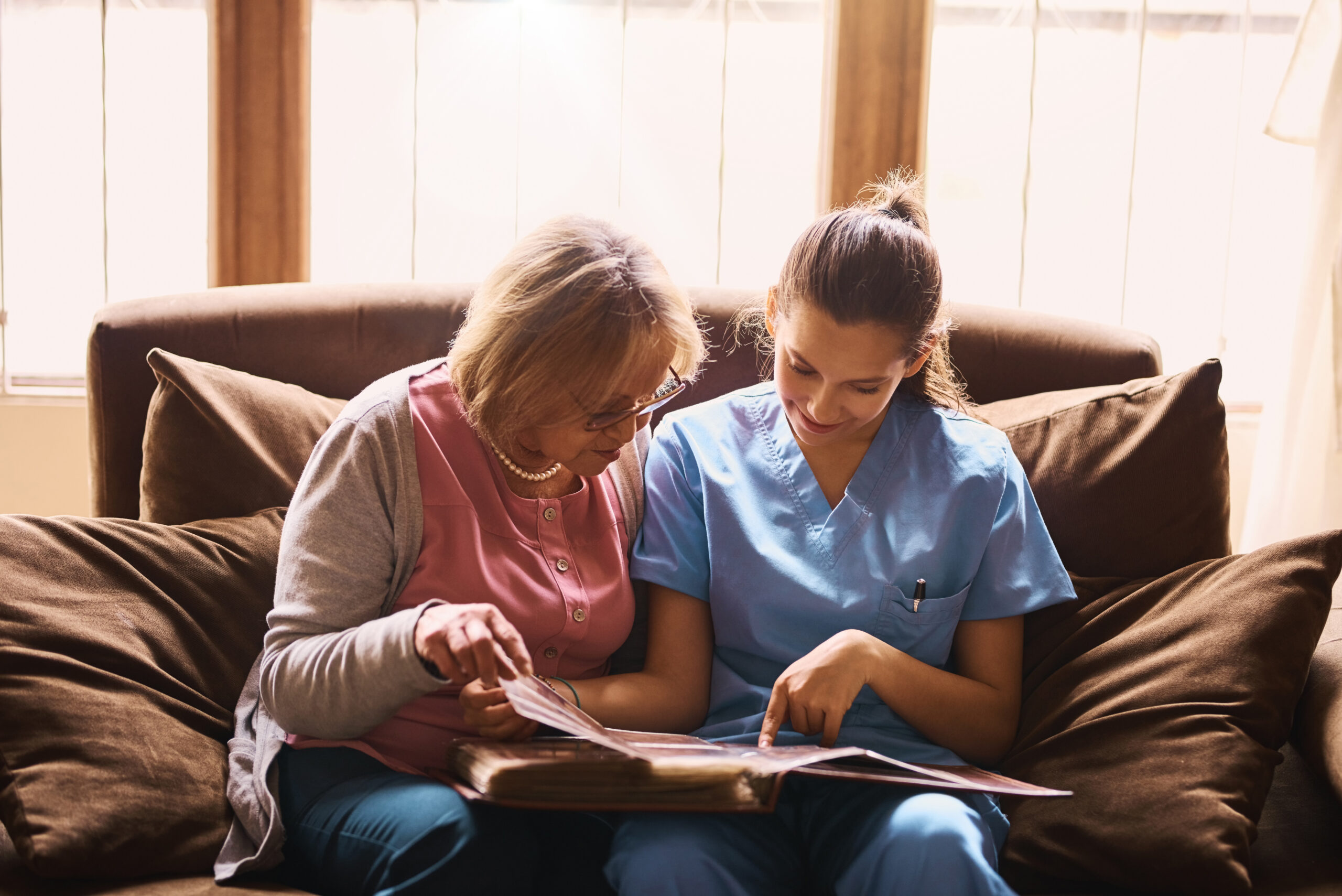
The best ways to encourage cognitive stimulation in dementia care include reminiscence therapy, music and art activities, adapted games, meaningful daily tasks, and regular social interaction. These approaches engage preserved abilities, support emotional wellbeing, and help seniors maintain cognitive and functional skills for as long as possible. Caring for a senior loved one with dementia requires a holistic approach that…

By Ray Lopez, 8:00 am on February 18, 2026

A positive relationship with a home caregiver is built through open communication, mutual respect, clear boundaries, collaboration, and empathy. Inviting a professional caregiver into your life or the home of a senior loved one is a significant transition. Establishing a strong, collaborative partnership from the very beginning not only ensures high-quality care but also creates a more comfortable and supportive…

By Ray Lopez, 8:00 am on February 11, 2026

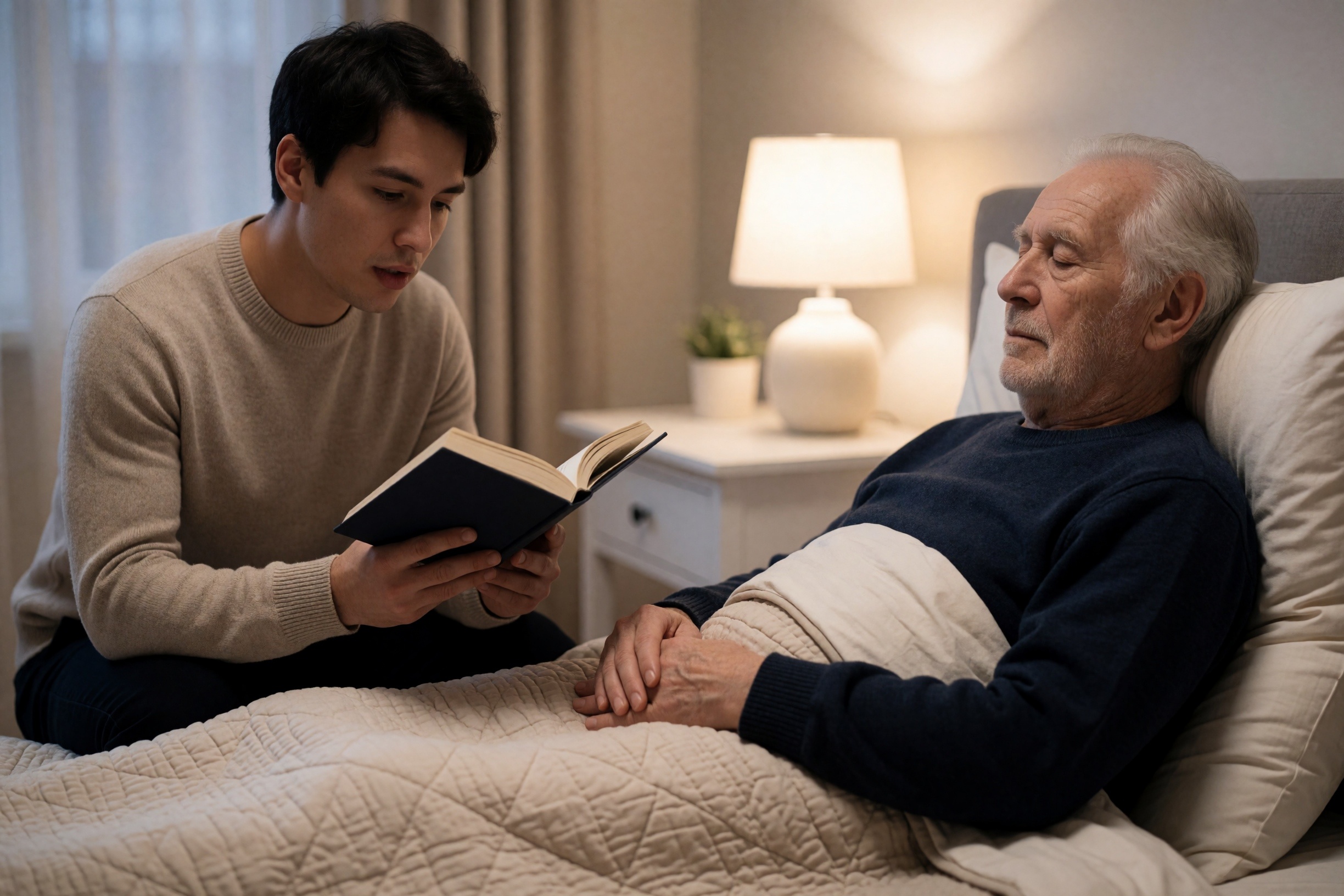
In-home care supports seniors with end-of-life care by providing personalized comfort in familiar surroundings, relieving burdens on family caregivers, collaborating with hospice teams for comprehensive medical support, and offering emotional companionship while preserving dignity. This allows seniors to spend their final days peacefully at home surrounded by loved ones. Facing the end of life is an emotional journey for seniors…

By Ray Lopez, 8:00 am on February 4, 2026

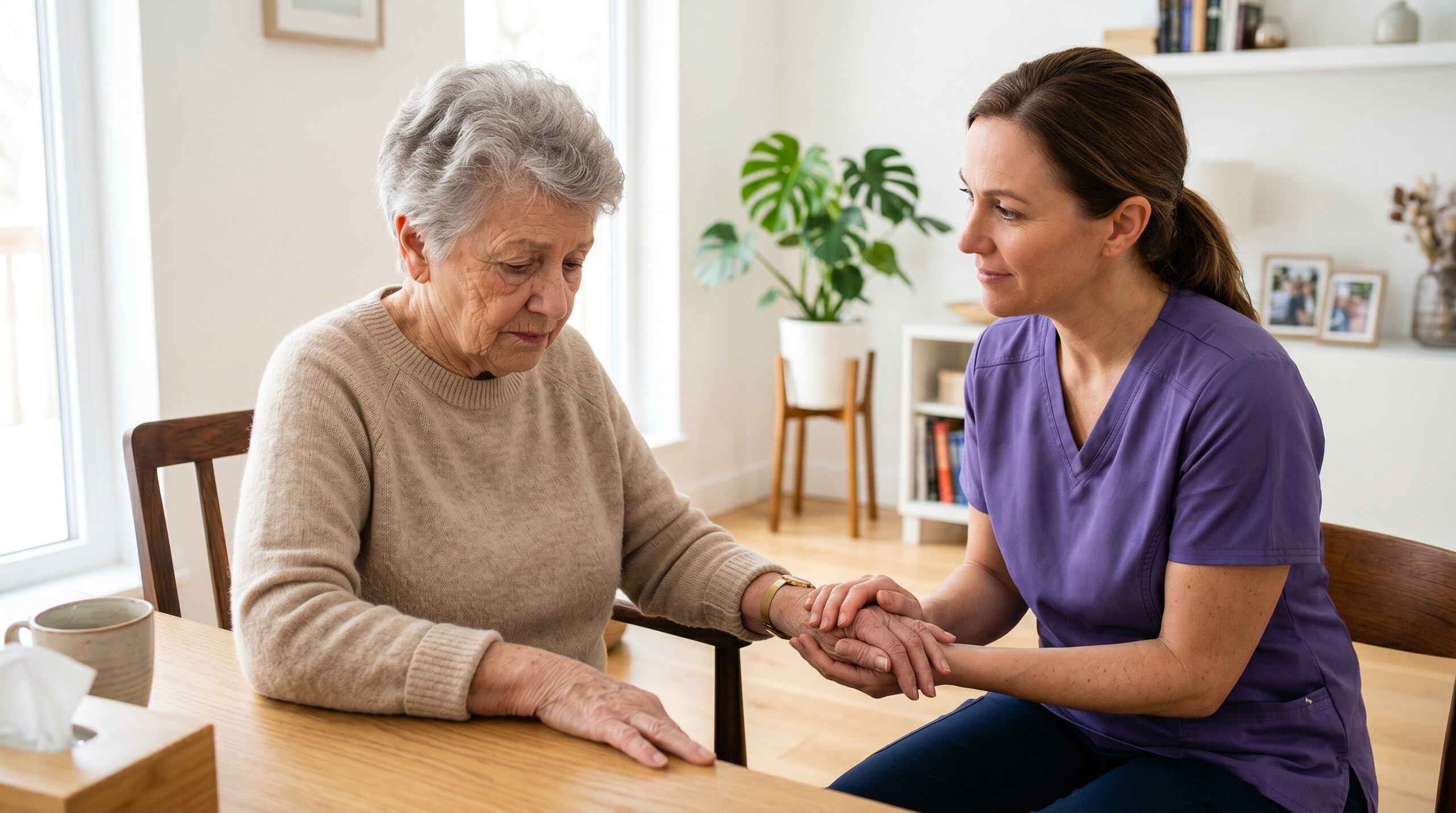
Receiving a new medical diagnosis is a life-altering event that brings a wave of complex emotions for everyone involved. While you cannot take away the physical reality of the condition, your presence and support can provide a crucial foundation of stability during this turbulent time. Practice Active Listening Active listening helps your senior loved one feel heard and validated without…