Blog

By Ray Lopez, 8:00 am on March 11, 2026

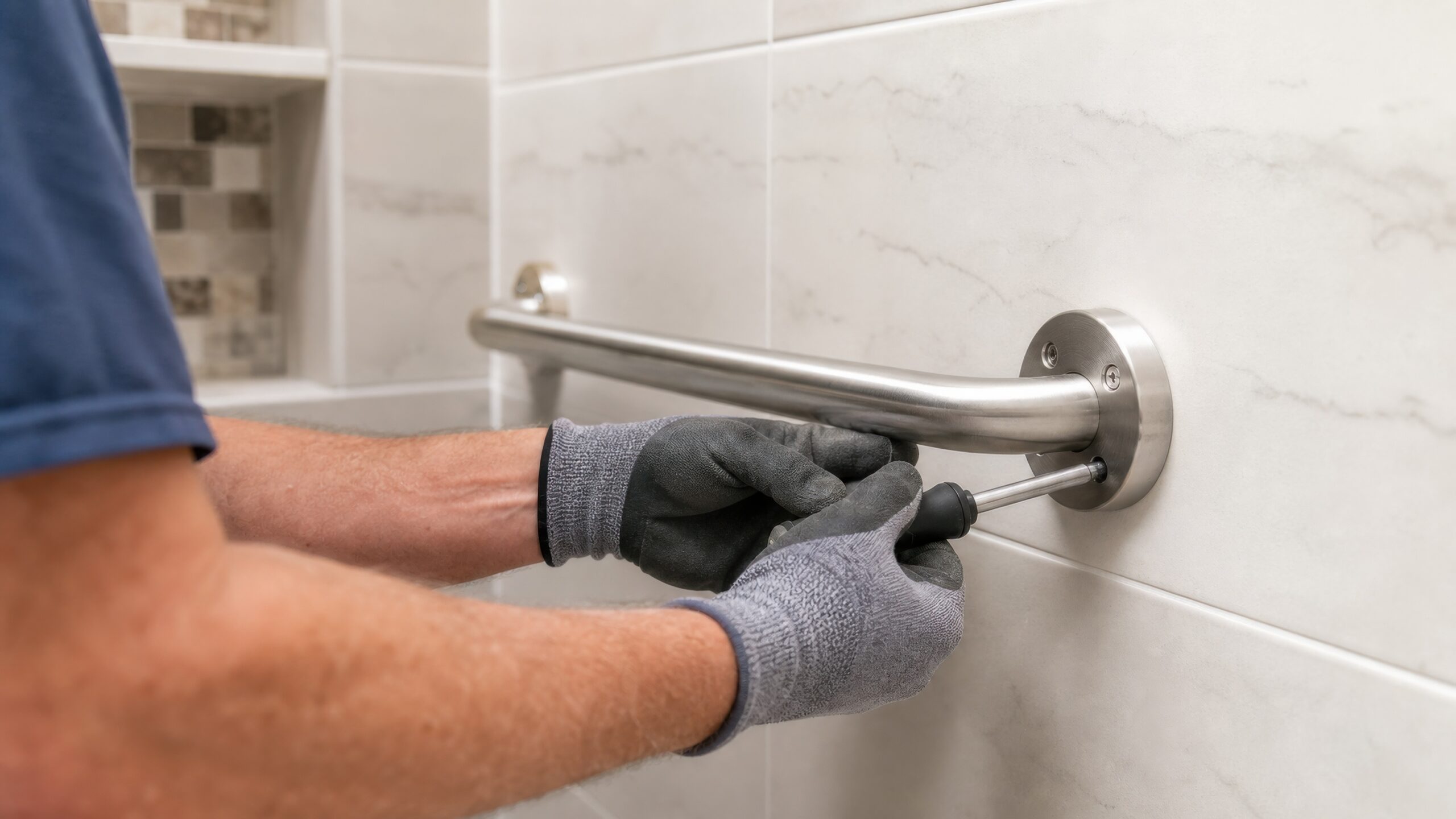
The most effective way to prevent falls in seniors receiving home care is to combine home safety modifications with strength support and medical oversight. Removing tripping hazards, improving lighting, reviewing medications, maintaining vision health, and encouraging balance exercises significantly reduce the likelihood of serious injury. Falls are a leading cause of injury among older adults, but many of these accidents…

By Ray Lopez, 8:00 am on March 4, 2026

You can help a loved one receiving home care stay socially connected by establishing regular communication routines, using simple technology for interaction, encouraging in-person activities, supporting hobbies, and creating frequent family engagement opportunities. Staying socially active is essential for maintaining mental and emotional wellbeing, especially as we age or face life changes that might lead to isolation. While technology has made…

By Ray Lopez, 8:00 am on February 25, 2026

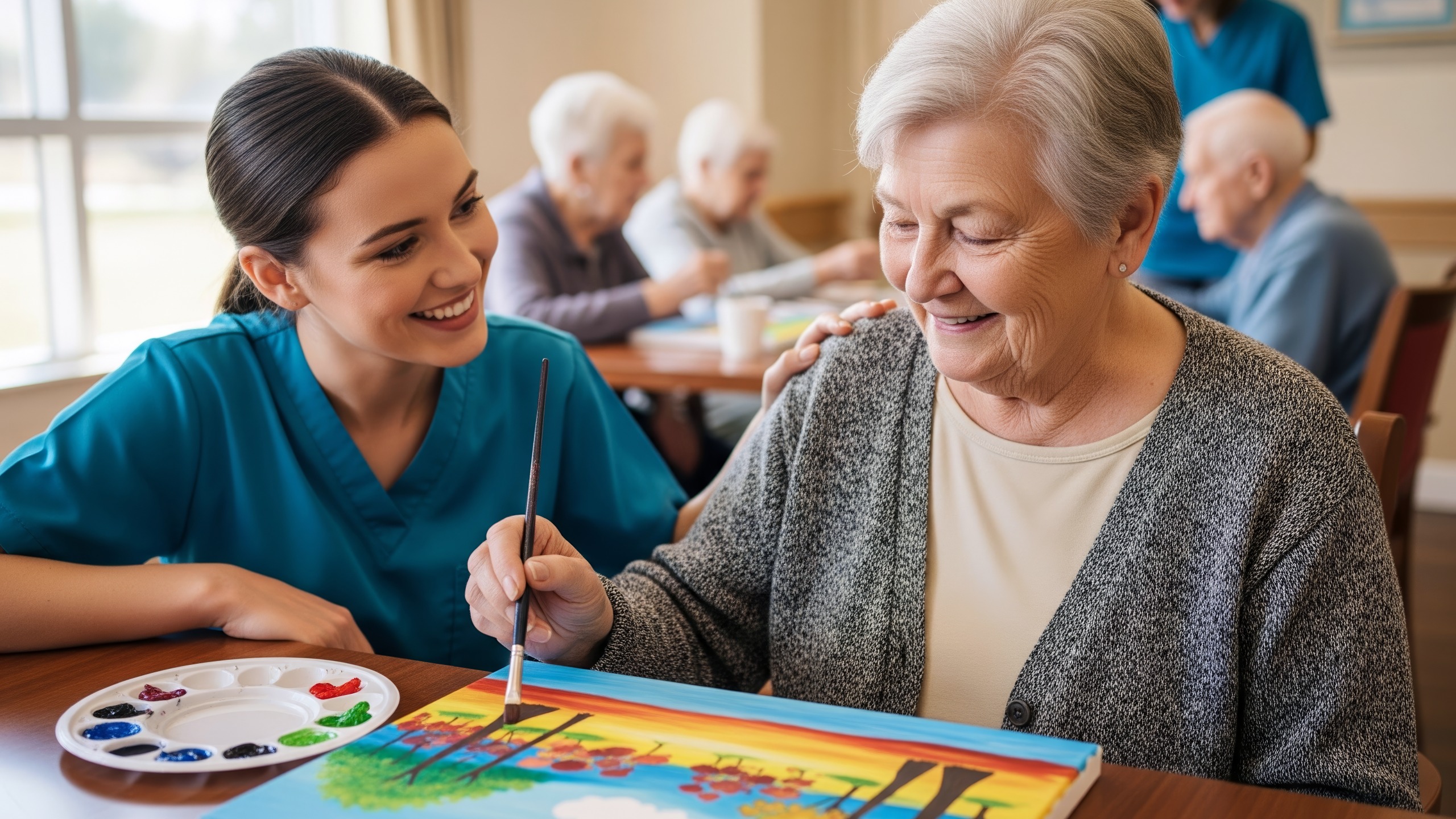
The best ways to encourage cognitive stimulation in dementia care include reminiscence therapy, music and art activities, adapted games, meaningful daily tasks, and regular social interaction. These approaches engage preserved abilities, support emotional wellbeing, and help seniors maintain cognitive and functional skills for as long as possible. Caring for a senior loved one with dementia requires a holistic approach that…

By Ray Lopez, 8:00 am on February 18, 2026

A positive relationship with a home caregiver is built through open communication, mutual respect, clear boundaries, collaboration, and empathy. Inviting a professional caregiver into your life or the home of a senior loved one is a significant transition. Establishing a strong, collaborative partnership from the very beginning not only ensures high-quality care but also creates a more comfortable and supportive…

By Ray Lopez, 8:00 am on February 11, 2026

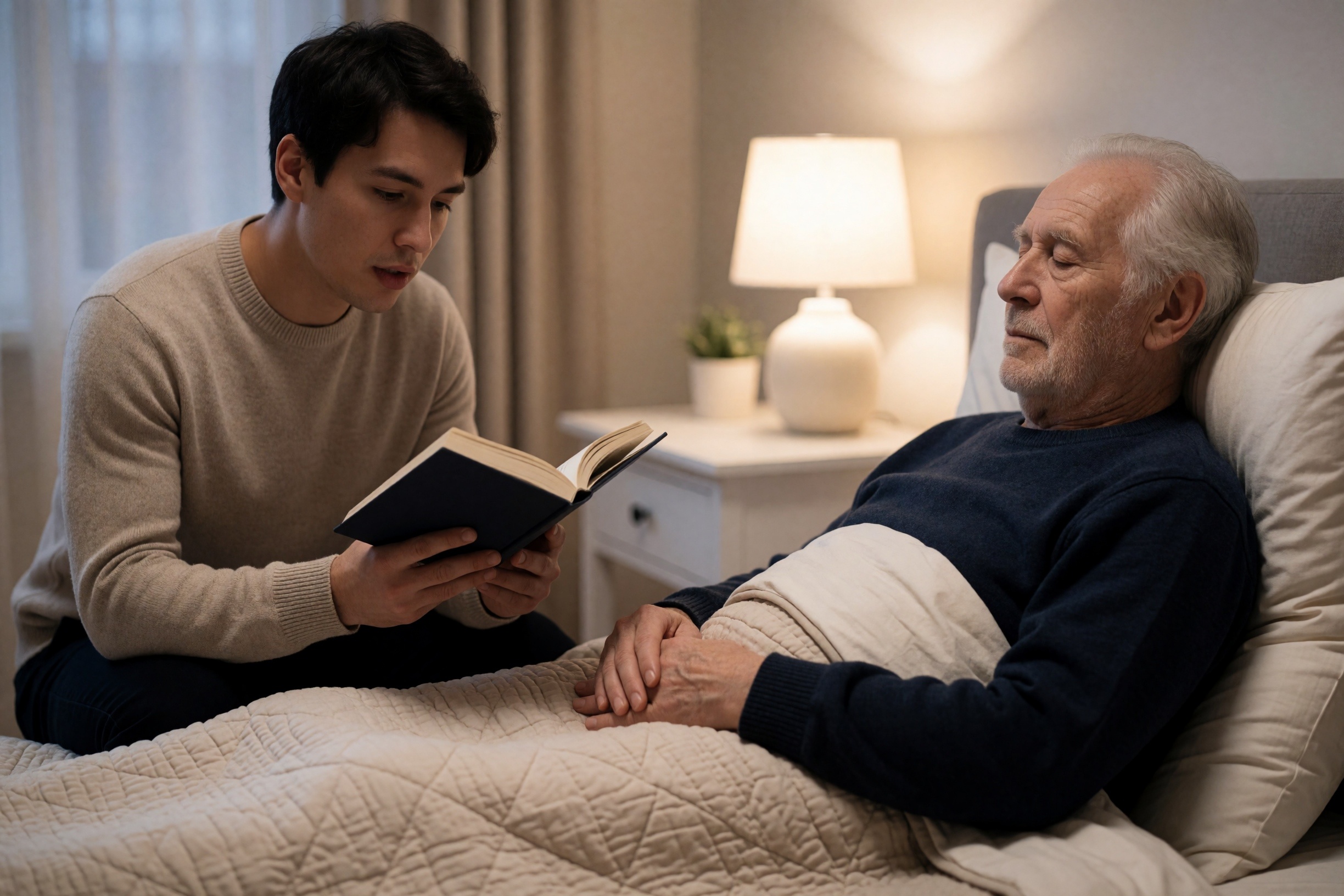
In-home care supports seniors with end-of-life care by providing personalized comfort in familiar surroundings, relieving burdens on family caregivers, collaborating with hospice teams for comprehensive medical support, and offering emotional companionship while preserving dignity. This allows seniors to spend their final days peacefully at home surrounded by loved ones. Facing the end of life is an emotional journey for seniors…

By Ray Lopez, 8:00 am on February 4, 2026

Receiving a new medical diagnosis is a life-altering event that brings a wave of complex emotions for everyone involved. While you cannot take away the physical reality of the condition, your presence and support can provide a crucial foundation of stability during this turbulent time. Practice Active Listening Active listening helps your senior loved one feel heard and validated without…

By Ray Lopez, 10:39 am on January 30, 2026

Stroke recovery is rarely a straight path. Progress happens in small, meaningful steps that depend on consistency, patience, and the right kind of daily support. For many individuals, the ability to heal in familiar surroundings plays a powerful role in rebuilding confidence and independence. Families often notice that recovery feels more manageable when care routines adapt to the person, not…

By Ray Lopez, 8:00 am on January 28, 2026

Caregiving is a role filled with immense love and dedication, but it often comes with complex emotions, including guilt. Many caregivers feel they aren’t doing enough or could be doing better, leading to stress and exhaustion. Understanding and addressing these feelings is crucial for your own wellbeing and for providing sustainable care to your senior loved one. Acknowledge Your Feelings…

By Ray Lopez, 10:35 am on January 26, 2026

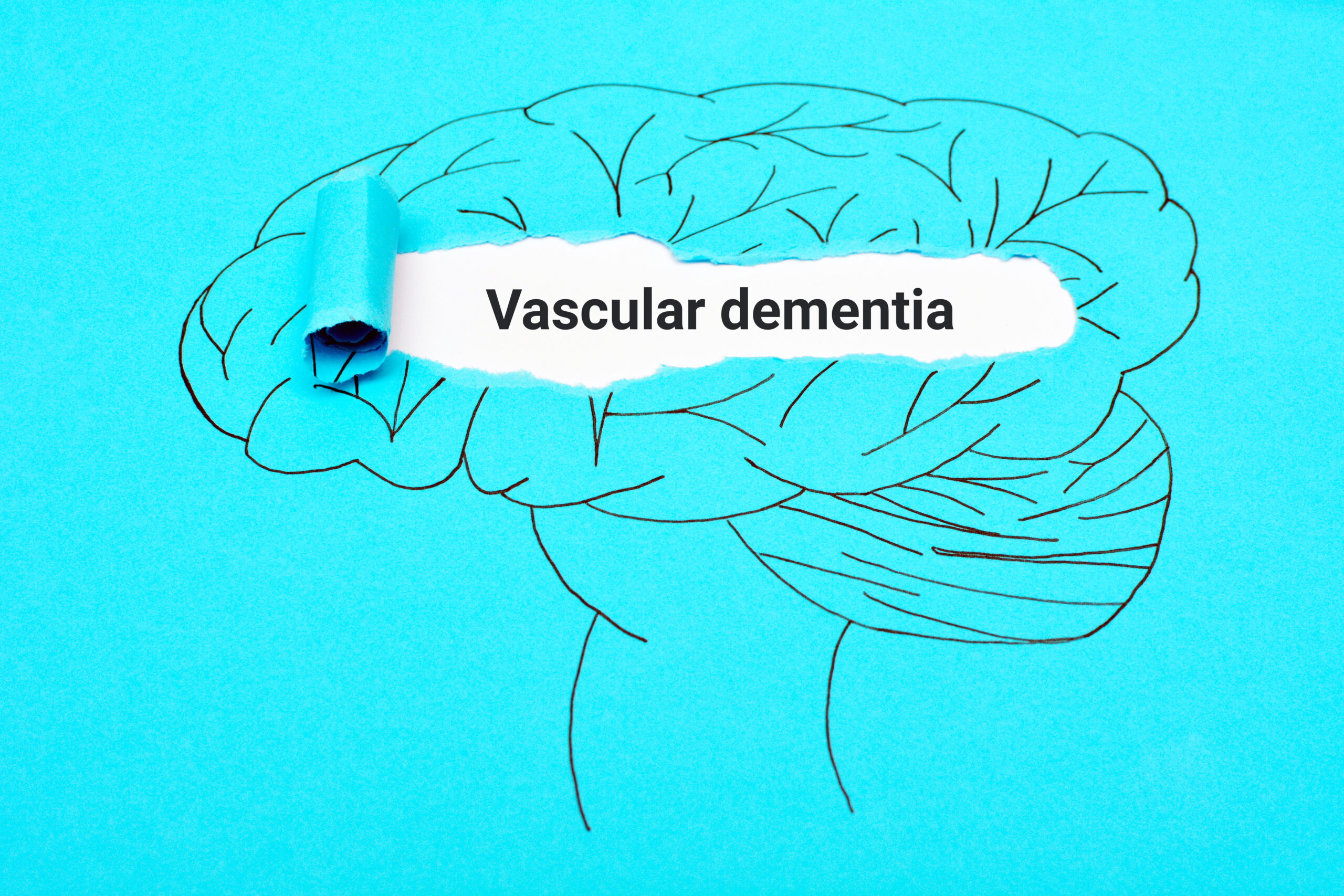
Caring for a senior loved one with dementia often begins with small adjustments, but there comes a point when changes in behavior, safety, and daily routines signal the need for extra support. These signs aren’t always sudden or dramatic. Instead, they appear gradually, affecting comfort, health, and emotional wellbeing. Recognizing these warning signs early can help families make informed decisions…

By Ray Lopez, 8:00 am on January 21, 2026

Deciding when a senior loved one needs extra support at home can be challenging. This guide outlines key signs that may indicate it’s time to consider in-home care, helping you make an informed and compassionate decision. Changes in Physical Health One of the most apparent signs a senior may need help is a noticeable decrease in physical wellbeing. These changes…