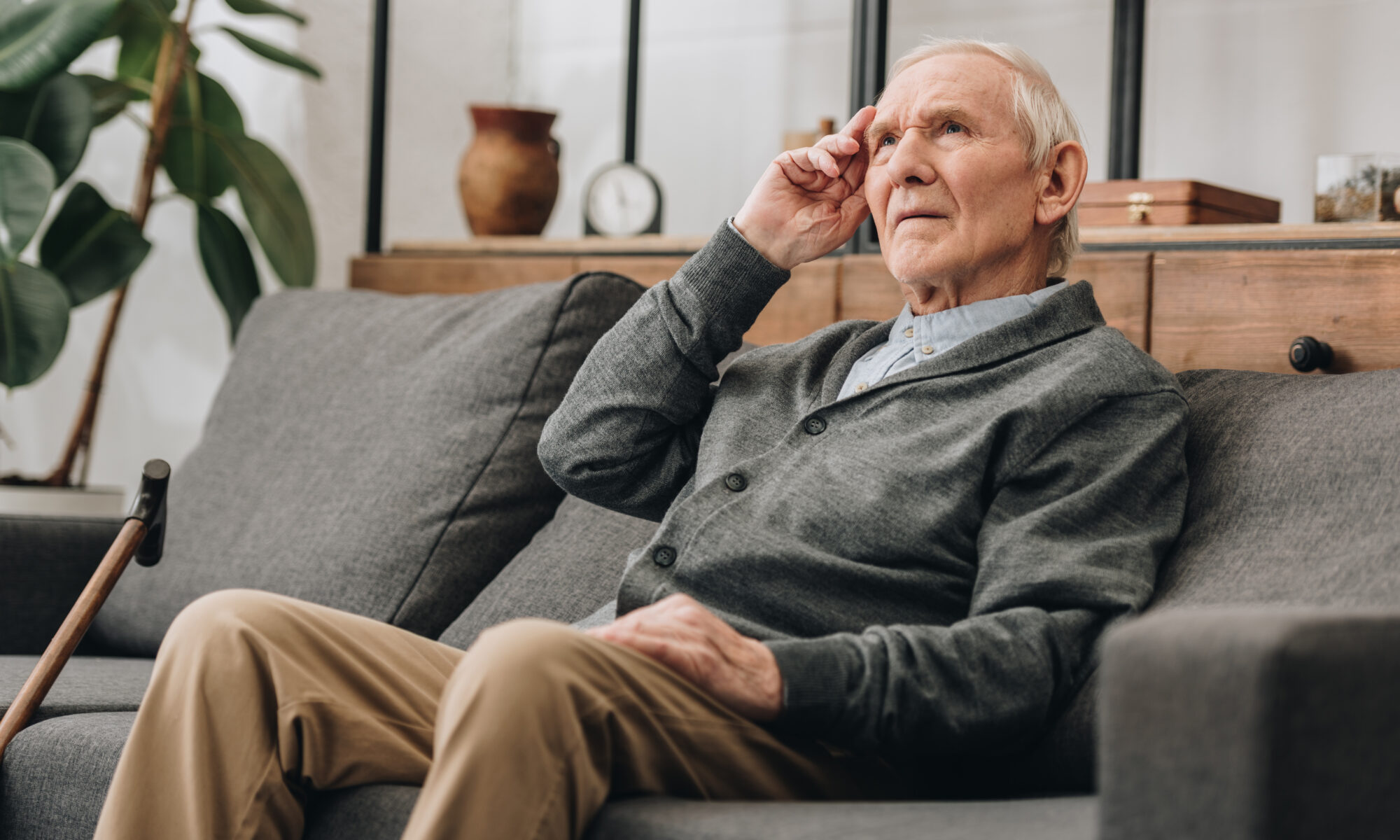
Adapting a living space for dementia safety means removing fall hazards, improving lighting, securing dangerous areas, and creating a calm, predictable environment—simple changes that significantly reduce risk and support independence during in-home care.
Modifying the home environment is one of the most effective ways to support a person living with dementia. The right adjustments can prevent accidents, reduce confusion, and make daily routines easier to navigate. Below are the key areas to focus on when creating a safer space.
What Are the Most Important Fall Hazards to Remove?
Falls are a leading risk for people with dementia, and many common household items contribute to that danger.
- Remove loose rugs, electrical cords, and clutter from walkways.
- Install grab bars in bathrooms near the toilet and inside the shower or tub.
- Use nonslip mats on bathroom and kitchen floors.
- Ensure furniture is stable and arranged to allow clear wide pathways.
- Add stair gates if your loved one shouldn’t access certain levels of the home.
How Can Lighting Be Improved to Reduce Confusion and Disorientation?
Poor lighting increases disorientation and the likelihood of accidents, especially at night.
- Use bright, consistent lighting throughout commonly used rooms.
- Install motion-sensor nightlights in hallways, bathrooms, and bedrooms.
- Reduce harsh shadows and glare, which can distort perception.
- Keep curtains open during the day to maximize natural light.
- Use contrasting colors on light switches so they’re easy to locate.
Which Areas of the Home Should Be Secured or Restricted?
Certain areas of the home pose higher risks and may need to be limited or locked.
- Install door alarms or locks on exits to prevent wandering outside unsupervised.
- Lock away cleaning products, medications, and sharp tools.
- Use stove knob covers or shut off the gas supply when cooking is unsupervised.
- Place childproof locks on cabinets containing hazardous items.
- Consider a door sensor that alerts caregivers when specific areas are accessed.
Caring for a loved one with dementia can be extremely challenging, and a compassionate professional caregiver can be a wonderful source of support. Seniors can face a variety of age-related challenges. Though some families choose to take on the caregiving duties, there may come a time when they need trusted home care service for their loved ones living in Las Vegas. Families sometimes need respite from their duties so they can focus on their other responsibilities, and some seniors need around-the-clock assistance that their families are not able to provide. Assisting Hands Home Care is here to help.
A predictable, low-stimulation environment can reduce anxiety and behavioral distress in people with dementia.
- Label drawers, cabinets, and rooms with simple words or pictures.
- Keep the layout consistent and avoid rearranging furniture.
- Reduce background noise from televisions or radios when not in use.
- Use solid-colored matte surfaces to avoid patterns that can appear to move.
- Place familiar and meaningful objects in visible locations to provide comfort and orientation.
What Simple Bathroom Modifications Support Dementia Safety?
The bathroom is one of the highest-risk areas in the home and benefits greatly from targeted adjustments.
- Set the water heater to a maximum of 120°F (49°C) to prevent scalding.
- Use a handheld showerhead to make bathing easier and less disorienting.
- Install a raised toilet seat to reduce the effort required to sit and stand.
- Remove or cover mirrors if your loved one becomes distressed by his or her reflection.
- Keep the bathroom door unlocked or use a privacy latch that can be opened from the outside.
Certain age-related conditions can make it more challenging for seniors to age in place safely and comfortably, but Las Vegas 24-hour home care experts are available around the clock to help seniors manage their health. Whether your loved one is living with dementia or recovering from a stroke, you can trust the professional caregivers from Assisting Hands Home Care to enhance his or her quality of life. At Assisting Hands Home Care, we take measures to help seniors prevent illness and injury by assisting with exercise and mobility, preparing nutritious meals, helping with bathing and other personal hygiene tasks, and much more.
Caring for seniors with dementia can be challenging for family caregivers. Luckily, there is high-quality dementia home care available for Las Vegas seniors and their families. Professional dementia caregivers help seniors with dementia stay safe and comfortable at home by preventing wandering, providing cognitive stimulation, and assisting with household chores. For reliable in-home care services, contact us today.
Frequently Asked Questions
What’s the most important home modification for someone with dementia?
+
Reducing fall hazards—such as removing loose rugs and installing grab bars—is typically the highest priority, as falls are one of the most common and serious risks for people living with dementia.
How do I prevent my loved one with dementia from wandering outside?
+
Door alarms, deadbolt locks placed high or low on doors, and motion-sensor alerts are effective tools for monitoring and restricting unsupervised exits.
Are there affordable ways to make a home safer for someone with dementia?
+
Yes. Many modifications, such as rearranging furniture, improving lighting, labeling cabinets, and removing clutter, cost little to nothing and can make a significant difference in safety.
How often should the home environment be reassessed?
+
The home should be reassessed whenever your loved one’s condition changes, as dementia progresses and new safety challenges may emerge over time.
Can color contrast really help someone with dementia navigate the home?
+
Yes. Using contrasting colors between walls and floors, furniture and floors, or items like light switches and walls makes it easier for people with dementia to distinguish and locate objects in their environments.