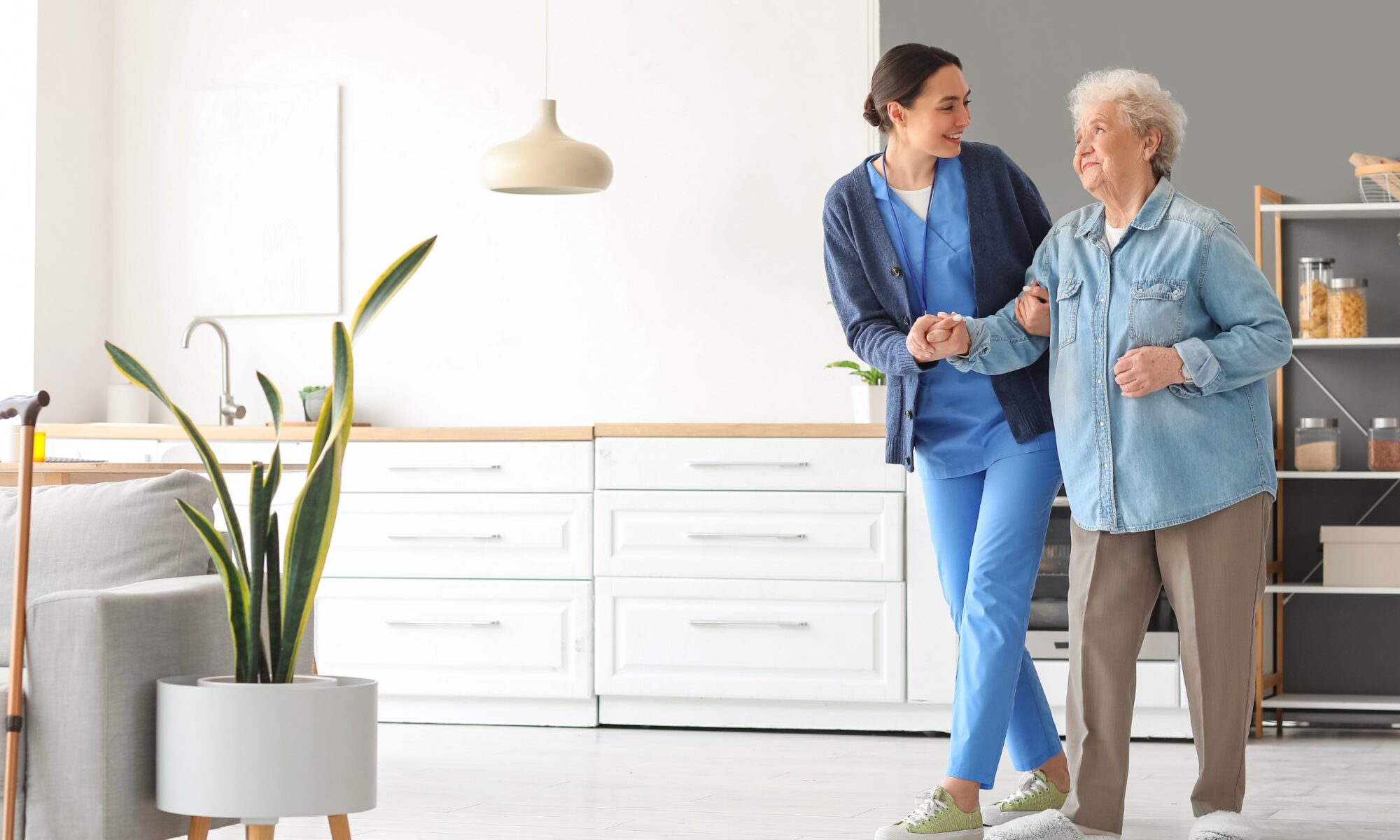
The most effective way to prevent falls in seniors receiving home care is to combine home safety modifications with strength support and medical oversight. Removing tripping hazards, improving lighting, reviewing medications, maintaining vision health, and encouraging balance exercises significantly reduce the likelihood of serious injury.
Falls are a leading cause of injury among older adults, but many of these accidents are preventable with the right precautions and environmental adjustments. By addressing common hazards and prioritizing physical health, you can significantly reduce your senior loved one’s risks and help him or her maintain independence at home.
How Can You Make the Home Safer to Prevent Falls?
The majority of falls happen inside the home, often due to overlooked tripping hazards. Conducting a room-by-room safety audit is the most effective first step in prevention. This involves removing clutter from hallways and ensuring high-traffic areas are completely clear of obstacles.
Lighting also plays a massive role in home safety. As we age, our eyes require more light to see clearly, so dim rooms can mask dangerous obstacles. Ensure staircases, hallways, and bathrooms have bright, consistent lighting. Installing motion-sensor nightlights is a great way to guide your loved one safely during nighttime trips to the bathroom.
Key modifications to consider include:
- Remove throw rugs – These are notorious for causing slips. If you must have carpets, secure them to the floor with double-sided tape or nonslip backing.
- Tame the cords – Coil up electrical cords and charging cables or tape them against the wall so they don’t run across walking paths.
- Install grab bars – Place sturdy bars in the shower and near the toilet to provide support where slips are most likely to occur.
- Add handrails – Ensure railings are secure on both sides of any staircase.
Some seniors only require help with a few daily tasks so they can maintain their independence. However, those living with serious illnesses may need more extensive assistance. Luckily, there is professional live-in care Las Vegas seniors can rely on. Home can be a safer and more comfortable place for your loved one to live with the help of an expertly trained and dedicated around-the-clock caregiver.
Why Are Strength and Balance Exercises So Important?
Maintaining muscle strength and balance significantly lowers fall risk. Weak leg and core muscles make it difficult to regain stability after even a minor stumble.
Engaging in regular physical activity helps keep the body responsive and stable. Low-impact exercises that focus on balance, flexibility, and strength are ideal for seniors. Tai chi, for instance, is widely recommended by health professionals because it increases coordination through slow, deliberate movements. Walking and water aerobics are also excellent options that build stamina without putting too much stress on the joints.
Always consult a physician before starting a new exercise regimen to ensure it’s safe for your loved one’s specific health needs. A physical therapist can also create a custom workout plan that targets specific areas of weakness or gait issues.
A professional caregiver can help your loved one exercise safely. Some seniors need occasional assistance at home, and oftentimes the family members who take care of them need time away to run errands, take a nap, go to work, or take a vacation. The Las Vegas respite care experts from Assisting Hands Home Care are available on an as-needed basis, giving your family peace of mind that your loved one will remain safe and comfortable while you relax or focus on other important responsibilities.
How Do Medications Increase Fall Risk?
Many seniors take multiple prescription and over-the-counter medications, and the side effects of these drugs can sometimes increase fall risk. Common side effects like dizziness, drowsiness, dehydration, or blurred vision can make walking unsteady.
Managing these risks requires open communication with healthcare providers. Seniors or their caregivers should bring complete lists of all medications and supplements to their doctors or pharmacists for comprehensive reviews. They can identify interactions that might be causing lightheadedness and potentially adjust dosages or switch to safer alternatives.
Why Are Routine Vision Checks Critical for Safety?
Clear vision plays a major role in safe mobility. Poor eyesight can lead to misjudging steps, missing thresholds, or failing to notice spills or obstacles. Age-related eye conditions such as cataracts, glaucoma, and macular degeneration develop gradually, meaning your loved one might not realize his or her sight has deteriorated until an accident occurs.
It’s vital to schedule an eye exam at least once a year. If your loved one wears glasses, make sure his or her prescription is current. Be cautious with multifocal lenses (bifocals or progressive lenses) while walking, especially on stairs. These lenses can distort depth perception when looking down, making it harder to judge the distance of the next step. In some cases, doctors may recommend using single-vision distance glasses for walking outdoors or navigating stairs.
How Does Proper Footwear Prevent Falls?
Supportive footwear improves traction and stability. Walking in socks or loose slippers significantly increases slipping risk, especially on tile or hardwood floors. Conversely, shoes with thick, heavy rubber soles can catch on carpet and cause tripping. To maintain stability, your loved one should opt for properly fitted, sturdy shoes with nonskid soles.
Look for the following features when selecting footwear:
- Low heels – High heels create instability. Stick to flat or low-heeled options.
- Firm support – The shoe should hold the foot firmly in place, preferably with laces or Velcro fasteners rather than slip-ons.
- Nonslip tread – Ensure the sole provides adequate traction on various surfaces without being too “sticky.”
One of the most challenging tasks of helping an elderly relative age in place safely and comfortably is researching agencies that provide home care. Families can turn to Assisting Hands Home Care for reliable, high-quality Home Care Las Vegas. We offer 24-hour care for seniors who require extensive assistance, and we also offer respite care for family caregivers who need a break from their caregiving duties. For reliable in-home care services, contact us today.
Frequently Asked Questions
How can home care services prevent falls?
+
Caregivers assist with mobility, remove hazards, and provide supervision to reduce the risk of falls at home.
What are common fall prevention strategies used in home care?
+
Strategies include installing grab bars, improving lighting, decluttering walkways, and encouraging the use of mobility aids.
Who benefits most from fall prevention services?
+
Seniors, individuals with mobility challenges, or those recovering from surgery or illness benefit greatly from fall prevention support.
Can caregivers help with exercises to increase balance and strength?
+
Yes, caregivers can assist with simple exercises or coordinate with physical therapists to enhance balance and reduce fall risks.
Is fall prevention included in all home care plans?
+
Fall prevention is often a key component of home care plans and can be customized based on individual needs and home environments.